Germany is set to adopt a system of voluntary conscription and will begin mandatory physical evaluations for all male citizens once they reach adulthood. The country’s parliament approved the draft legislation on Friday.
The change, which is unlikely to encounter serious opposition in the upper parliamentary chamber, is slated to take effect on January 1, 2026.
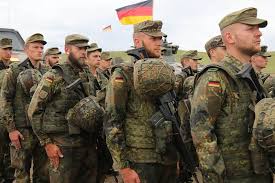
According to the new law, the Bundeswehr — Germany’s armed forces — will be legally obligated to build up its strength, aiming to reach a combined total of 470,000 active-duty soldiers and reservists by 2035, with 270,000 of those being on active duty. Currently, the Bundeswehr reports roughly 184,330 active members, representing a 1.5% increase (about 2,750 personnel) compared with a year earlier.
Under the proposed plan, German men born in 2008 or later must complete an online form once they come of age, and then appear at one of 24 newly established medical assessment centers. The system is expected to be fully operational by mid-2027. Women will have the option to participate but will not be required to. Actual military service remains voluntary for now and will operate alongside existing optional civil-service alternatives.
After completing training, those who served will transition into the reserves. Recruits who enlist for six to eleven months will receive a monthly pre-tax salary of €2,600 (approximately $3,030), with additional financial incentives available for longer service.
Although the Bundeswehr has stated that the law does not mandate conscription “currently,” it includes a clause that permits compulsory service in the future — should voluntary enlistment prove insufficient. In that scenario, a further parliamentary vote would be required.
“As a last resort, if voluntary enlistment isn’t enough, we will have no choice but to introduce partial conscription,” said Boris Pistorius, Germany’s defense minister, during parliamentary proceedings. Rallies opposing the bill broke out in multiple German cities — including Berlin — and portions of the student population launched a strike to protest the move. Officials argue that expanding the Bundeswehr is necessary in light of “the threat situation and NATO requirements.” “In the event of a defense crisis — which we hope to avoid — the state must know who is ready to respond,” Pistorius added. “This country, this democracy, deserves that.”