Reports indicate that former U.S. President Donald Trump has been considering a range of actions toward Iran, including limited strikes on security officials and institutions, with the aim of emboldening anti-government protesters. However, officials in Israel and several Arab states have warned that air attacks by themselves would be unlikely to bring down Iran’s religious leadership.
According to people briefed on internal discussions, Trump was exploring ways to increase pressure on Tehran after authorities violently suppressed nationwide demonstrations earlier in the month, resulting in thousands of deaths. One idea under review was to target figures and organisations seen by Washington as responsible for the crackdown, in hopes that protesters would feel strong enough to seize state and security facilities. No final decision on military action had been taken.
Other options reportedly ranged from these focused measures to broader operations designed to inflict longer-term damage, such as strikes on Iran’s ballistic missile capabilities or elements of its nuclear infrastructure. Iranian officials have resisted limits on their missile programme, viewing it as a key deterrent against regional adversaries.
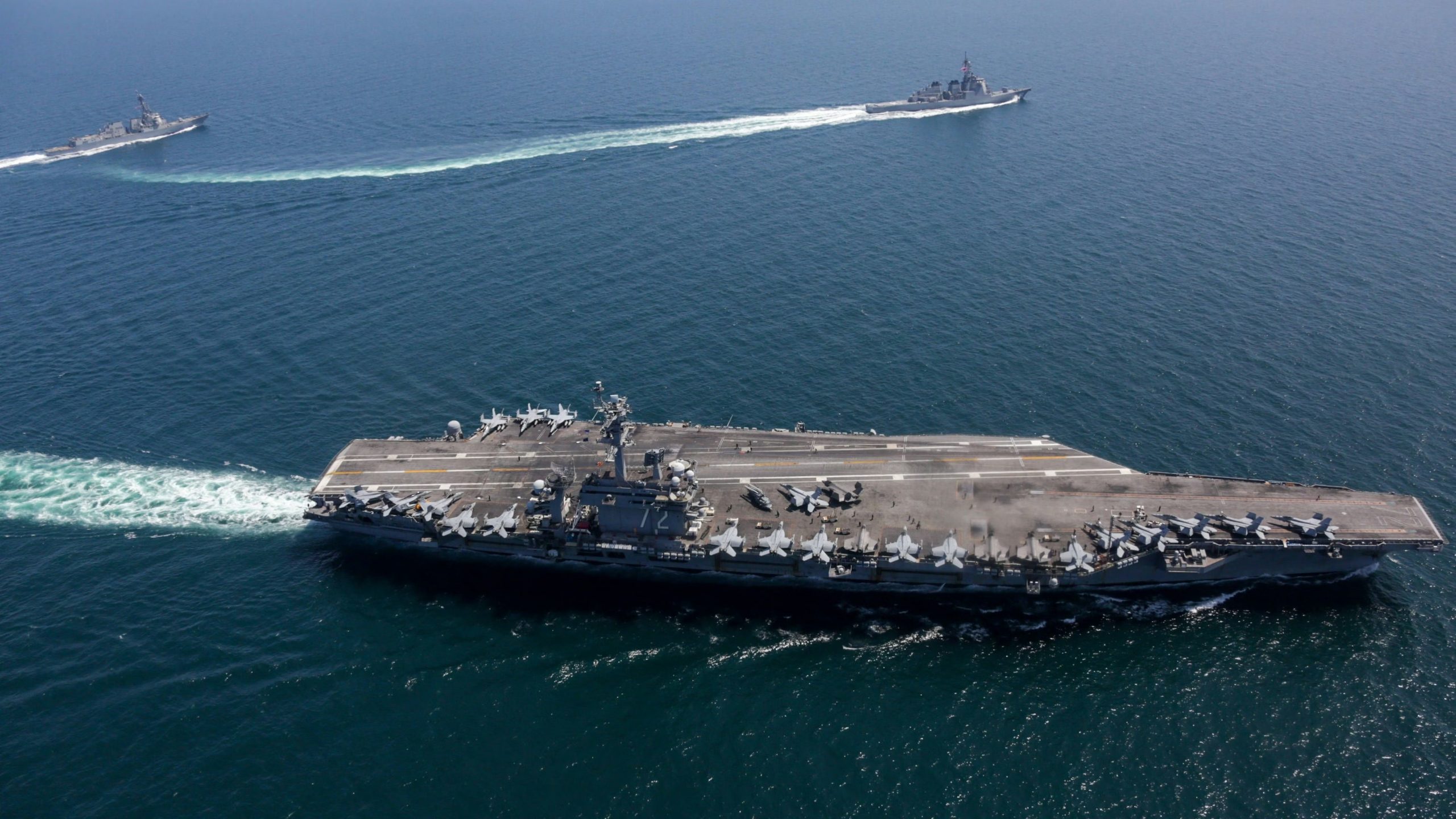
The recent deployment of a U.S. aircraft carrier group to the region has increased Washington’s military flexibility following repeated warnings of possible intervention. Yet diplomats and regional officials fear that foreign attacks might actually undermine an already traumatised protest movement rather than strengthen it.
Analysts note that without significant defections from Iran’s armed forces, demonstrators remain courageous but heavily outmatched by the state’s security apparatus. Many sources who discussed the deliberations did so anonymously due to the sensitivity of the topic, and neither Tehran nor Washington offered official comment.
Trump publicly called on Iran to negotiate over its nuclear programme, cautioning that any future U.S. assault could exceed earlier strikes on nuclear facilities. Iranian representatives responded that while the country was preparing for potential conflict, it was still open to talks based on mutual respect, insisting its nuclear activities are civilian in nature and warning it would respond forcefully to aggression.
Israeli officials involved in consultations with Washington argued that air power alone could not overthrow the Islamic Republic. Removing the current supreme leader would not automatically dismantle the system, they said; only sustained outside pressure combined with a coordinated internal opposition could fundamentally alter Iran’s political order.
Intelligence assessments shared among Western governments suggest that although the unrest has weakened the authorities, the underlying power structure remains intact. Some policymakers appear to favour engineering a leadership transition rather than a total regime collapse, but there is no clear successor to Iran’s top leader, creating the risk that the powerful Revolutionary Guard could tighten its grip instead.
Regional governments worry that sudden upheaval in a country of roughly 90 million people could trigger chaos beyond Iran’s borders, potentially leading to civil conflict, refugee flows and disruptions to vital oil shipping routes. For that reason, many neighbouring states prefer containing Tehran’s behaviour to attempting to bring about its collapse.
Gulf Arab countries, which host U.S. bases, fear they would face immediate retaliation through missiles or drones if Iran were attacked. Several of them have quietly urged Washington to avoid military action and have said their territory should not be used for strikes.
Some experts believe the most plausible scenario is not a rapid overthrow but a slow weakening of the system through economic strain, elite splits and a contested succession struggle. Others warn that if the state fragments, Iran could descend into prolonged internal conflict resembling other recent Middle Eastern wars, with far-reaching regional consequences.