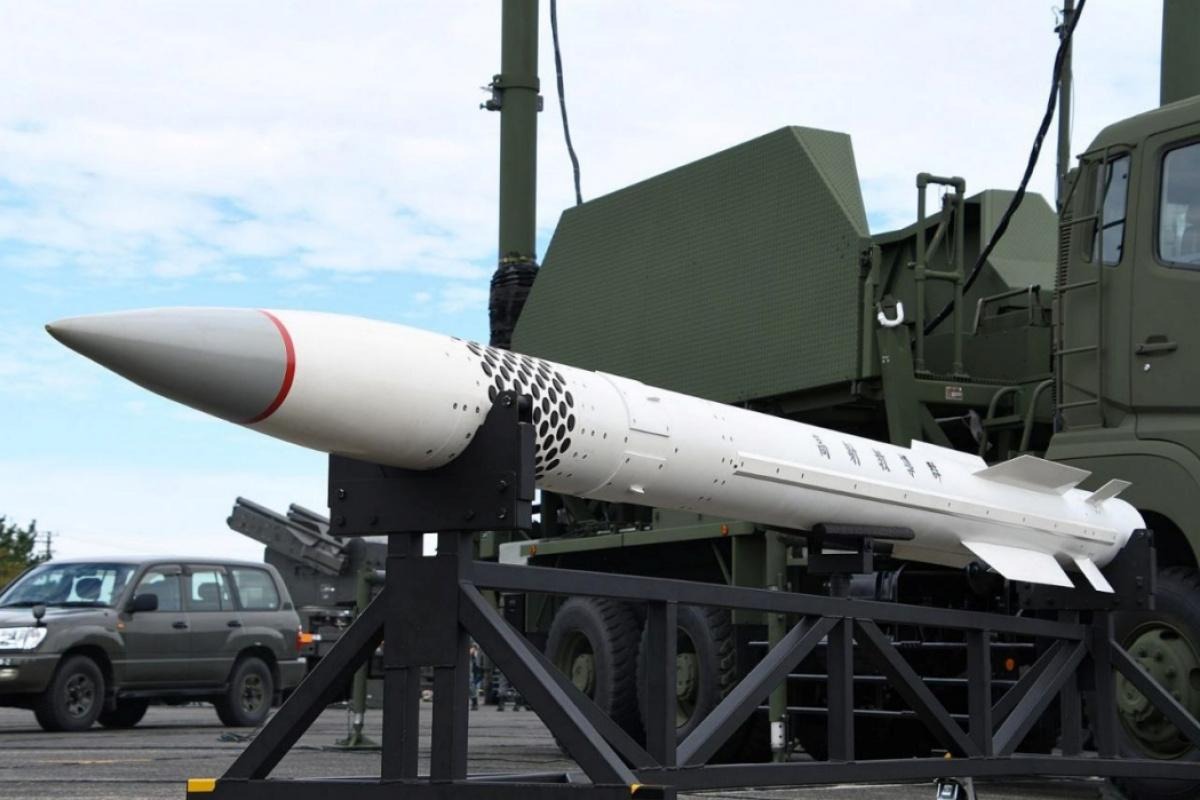
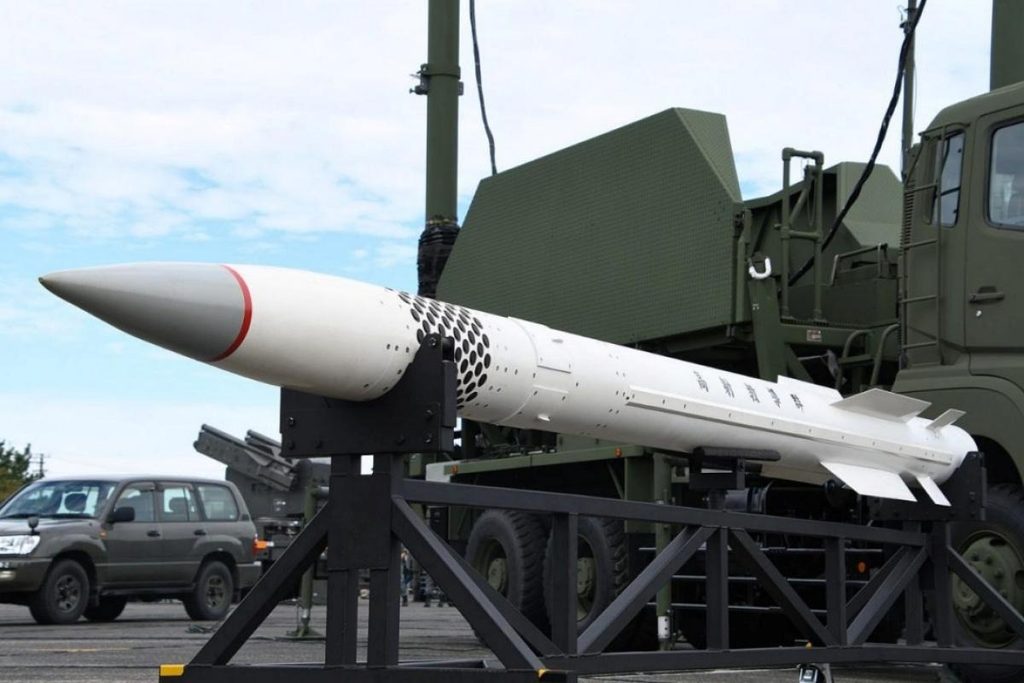
Lockheed Martin is exploring potential partnerships with European defence companies to expand production of PAC-3 Patriot interceptors, with the initiative potentially helping address Ukraine’s shortages of air-defence missiles, a company executive has said.
Interest in manufacturing Patriot interceptors outside the United States has grown since Ukrainian officials disclosed over the summer that the Trump administration had promised to grant Ukraine a licence to produce the missiles domestically. The proposed arrangement is intended to strengthen the country’s defences against repeated Russian missile and drone attacks.
However, the US government has yet to make a final decision on the production plan. Options under consideration could include the PAC-2 interceptor, manufactured by Raytheon, or Lockheed Martin’s PAC-3 missile family.
“We’re absolutely willing to talk to Ukraine” about PAC-3 production, Jason Reynolds, vice president and general manager of Lockheed Martin’s Integrated Air and Missile Defense division, told Defense News during the Association of the United States Army’s annual convention in Washington, DC.
He said the feasibility of local production would depend on Ukraine’s industrial capacity and access to the necessary components. Reynolds suggested that the company’s planned Advanced Capability Enhanced (ACE) interceptor could be a more practical starting point than the Missile Segment Enhancement (MSE) variant.
Lockheed Martin unveiled the ACE programme earlier this year as a lower-cost interceptor intended to counter less sophisticated aerial threats. The company has positioned it at approximately half the cost of an MSE missile, which is designed to engage more advanced threats. Unlike the MSE, which uses a dual-pulse rocket motor and hit-to-kill technology, the ACE is designed around a single-pulse motor and a blast-fragmentation warhead.
Reynolds warned that establishing a missile production facility inside Ukraine would pose significant security challenges because of the risk of Russian attacks.
“Can we build a factory that’s survivable in a war zone?” he said, identifying the plant’s ability to withstand wartime threats as a central consideration.
As an alternative, Lockheed Martin is examining the possibility of manufacturing interceptors in neighbouring countries considered safer, then transporting the missiles to Ukraine as required.
Reynolds said several countries had expressed interest in potentially producing the ACE interceptor. Establishing manufacturing capacity and developing the supply chain in another country first, he suggested, could eventually create a pathway for production in Ukraine.
Germany is one potential location. German officials have expressed interest in hosting PAC-3 interceptor manufacturing as part of efforts to meet growing international demand. Raytheon already produces the PAC-2 missile family in Germany in partnership with MBDA.
For possible PAC-3 production, Lockheed Martin is considering cooperation with German defence manufacturer Diehl Defence. The companies signed an agreement in October 2025 to expand the global supply chain for PAC-3 MSE components.
“If we were to go forward with exploring any kind of production in Germany, we would likely do that with a company like Diehl,” Reynolds told Defense News.
A Diehl spokesperson confirmed that discussions with Lockheed Martin were continuing, referring to the existing cooperation agreement. The spokesperson also said the company was expanding production capacity across its facilities.
Diehl is developing a new manufacturing site in Lübben, in the German state of Brandenburg. The location previously supported military equipment production in the former German Democratic Republic and has the necessary licences for handling explosives.
Despite industry interest, any decision to manufacture sensitive American defence systems overseas would require approval from the US government. Lockheed Martin cannot independently establish production facilities for Patriot interceptors in other countries without the required authorisation.
“We at Lockheed don’t have the authority to just build factories wherever we want,” Reynolds said.