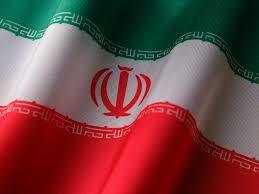
Iranian President Masoud Pezeshkian stated that his country is engaged in an all-out confrontation with the United States, Israel, and Europe, heightening tensions just months after the Trump administration conducted airstrikes on three Iranian nuclear sites.
In an interview featured on the website of Iran’s Supreme Leader, Ayatollah Ali Khamenei, Pezeshkian accused the U.S. and its allies of attempting to destabilize Tehran.
“They do not want our nation to become self-reliant,” he said. Pezeshkian also claimed that Iran’s military is now “far stronger” than before and capable of responding decisively to any further provocations from Western powers. “If they strike, they will face an even more forceful reaction,” he cautioned.
His remarks come ahead of a scheduled meeting between U.S. President Donald Trump and Israeli Prime Minister Benjamin Netanyahu in Florida, where Iran’s ballistic missile program is expected to be a key topic of discussion.
Earlier, Iran endured a 12-day conflict with Israel in June, during which U.S. bombers targeted deeply buried Iranian nuclear facilities. Trump later announced a “complete and total” ceasefire. While the Pentagon asserts that the strikes set back Iran’s nuclear program by up to two years, Tehran disputes this assessment.
Pezeshkian’s statements now signal a renewed verbal confrontation against what he sees as unfair restrictions imposed by Washington and its allies.
“They are putting us under siege from every angle, creating difficulties economically, politically, culturally, and in terms of security, all while raising societal expectations,” he said on Saturday. “On one hand, they block our trade and exchanges, and on the other, public expectations continue to grow. Therefore, it is imperative that we all work together to strengthen the country.”
The United States has maintained sanctions on Iran for decades, primarily targeting oil exports—the backbone of its economy—in a bid to apply “maximum pressure” and secure a new nuclear deal. These sanctions have contributed to inflation, higher unemployment, and other economic strains. Recently, the Iranian rial dropped to a historic low against the U.S. dollar, prompting protests over the weekend in Tehran and other cities.