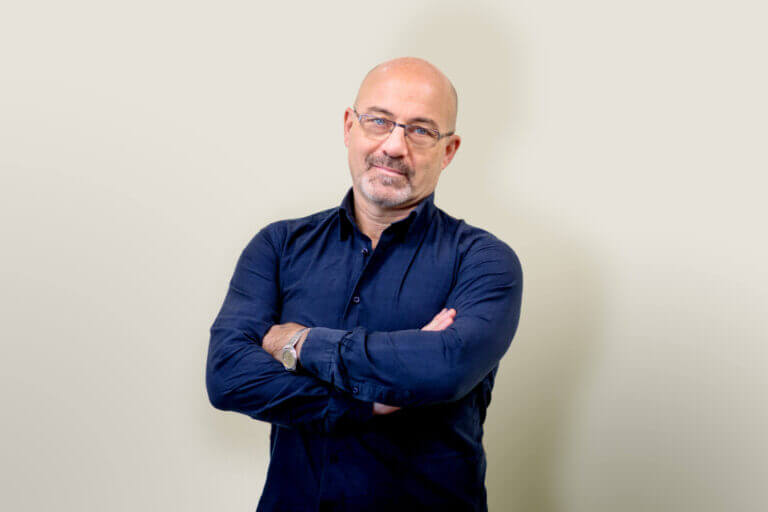
In an unexpected decision, the Italian government has chosen to replace Leonardo CEO Roberto Cingolani, a move reportedly linked to concerns over his strategic shift away from traditional weapons systems during a period of escalating global conflicts.
Cingolani had just completed a three-year term leading the state-controlled defense company and was widely expected to continue, having driven significant growth in both partnerships and shareholder value. However, authorities announced on Thursday that Lorenzo Mariani, currently heading the Italian division of MBDA, would take over as CEO.
Mariani brings extensive familiarity with Leonardo. When Cingolani assumed leadership three years ago, Mariani was appointed co-general manager, effectively serving as his deputy. He later transitioned to MBDA, where he had prior experience. Over the years, he has held multiple senior roles at Leonardo, including commercial director and head of electronics, establishing himself as a deeply rooted figure within the organization. Earlier in his career, he also served as an officer in the Italian Navy.
Defense analyst Alessandro Marrone described Mariani as a dependable choice, highlighting his deep industry knowledge and established relationships with military stakeholders. He noted that Mariani’s experience would allow him to step into the role without a transition period, particularly as defense spending continues to rise.
During his tenure, Cingolani oversaw a dramatic fourfold increase in Leonardo’s share price, fueled in part by increased global defense investments following the Russia-Ukraine War. The company recently projected annual orders could reach €32 billion by 2030, up from €23.8 billion last year, alongside unveiling an ambitious industrial roadmap.
The leadership change, however, came without official explanation from the government led by Giorgia Meloni, prompting criticism from opposition figure Carlo Calenda. He questioned the lack of transparency, particularly given Cingolani’s strong reputation among investors and partners, and called for clarity on whether the decision was driven by performance or security considerations. Following the announcement, Leonardo’s shares declined in early Friday trading.
A physicist by training, Cingolani previously served as Italy’s minister for ecological transition in 2021 before being appointed CEO in 2023. His selection came despite defense minister Guido Crosetto advocating at the time for Mariani to take the role.
Under Cingolani’s leadership, Leonardo pursued strategic collaborations, including partnerships with Baykar for drone production and Rheinmetall for tank manufacturing in Italy. He also prioritized expanding the company’s capabilities in cybersecurity and digital technologies, and introduced the Michelangelo Dome, a new multi-layered air defense system.
Industry insiders suggest that Cingolani’s emphasis on non-kinetic capabilities, such as cyber programs, may have influenced the government’s decision. In contrast, Mariani is seen as more closely aligned with conventional defense production. Analysts note that amid rising large-scale conflicts, governments and armed forces are prioritizing traditional military capabilities and faster delivery of essential systems.
One source indicated that while Cingolani focused on long-term technological advancements, Mariani’s work at MBDA centered on boosting missile production—an area considered more immediately critical. The source also pointed out that Pierroberto Folgiero, head of Fincantieri, had similarly committed to reducing production timelines for naval vessels in response to government expectations.