Germany has deployed two naval vessels to the Red Sea as part of preparations for a potential mine-clearance operation in the Strait of Hormuz, Defence Minister Boris Pistorius announced on Thursday.
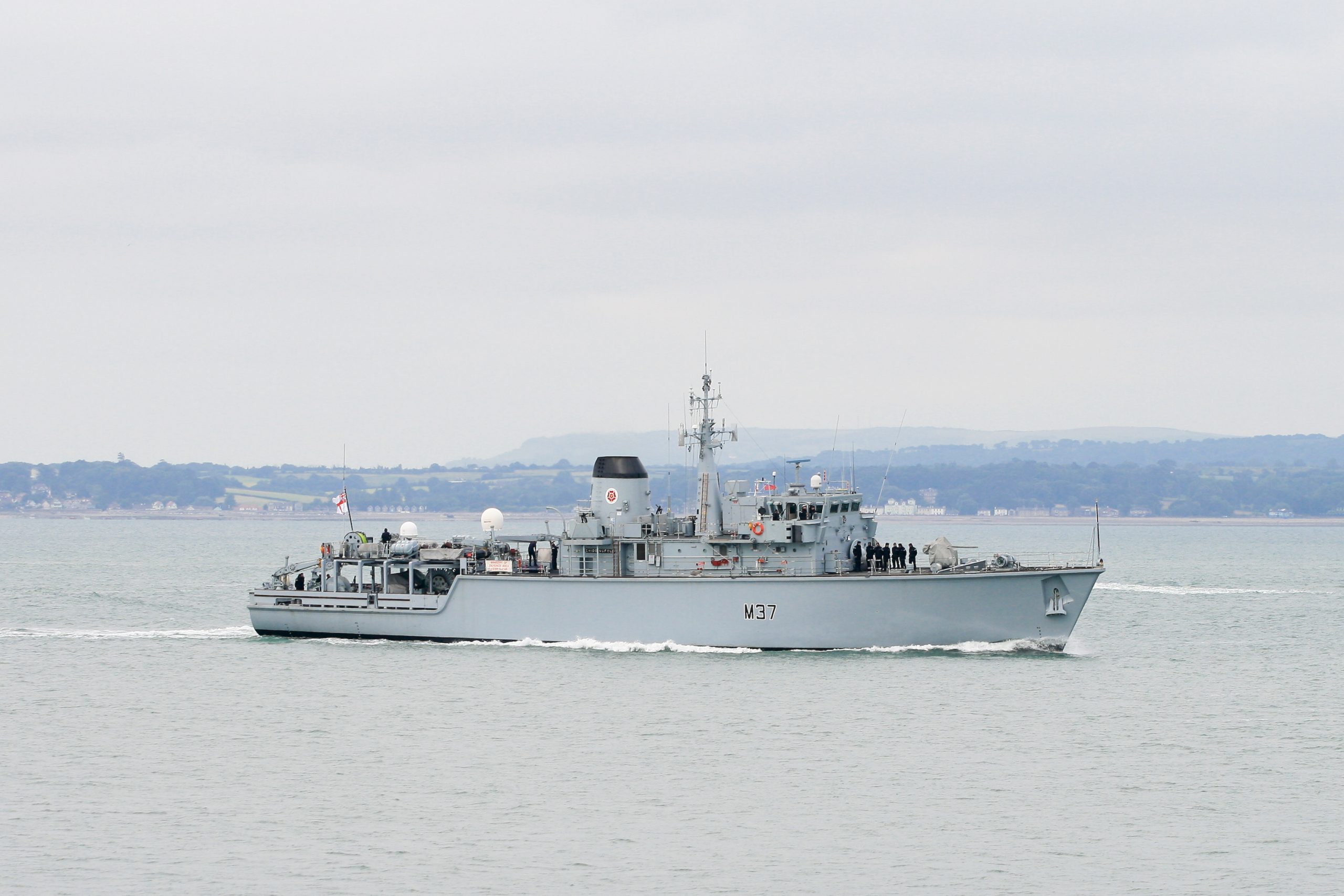
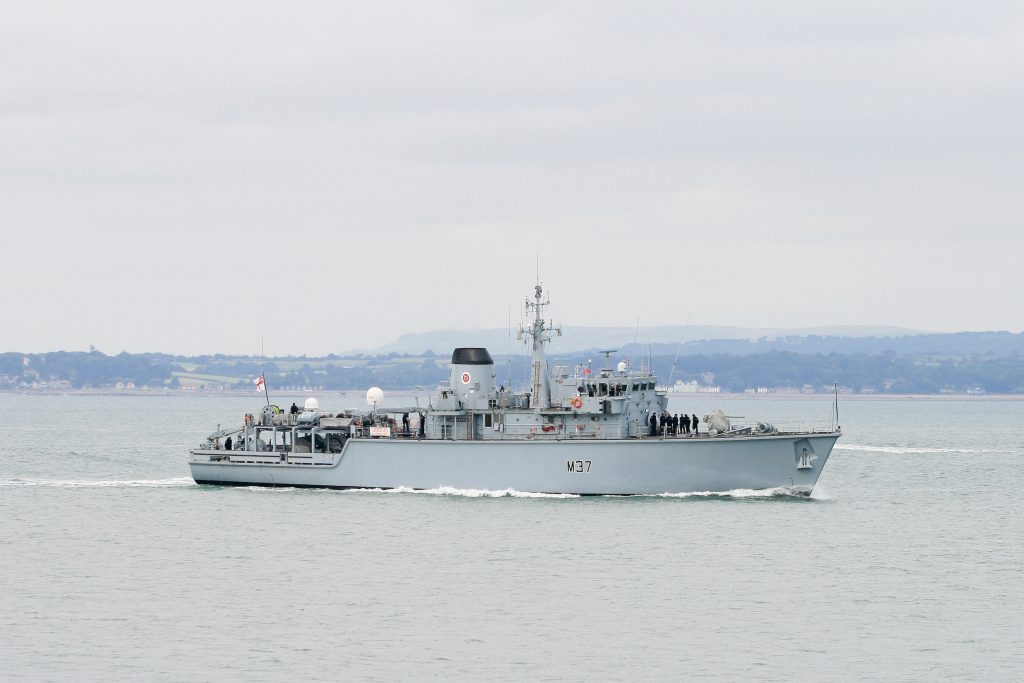
Speaking ahead of a NATO defence ministers’ meeting in Brussels, Pistorius stated that the mine countermeasure vessel Fulda and the support ship Mosel had already transited the Suez Canal and are en route to Djibouti. The ships are expected to arrive within five to seven days, where they will undergo refuelling and replenishment.
According to Germany’s Ministry of Defence, approximately 140 military personnel are onboard, including mine-clearing divers, force protection teams, and operators of autonomous systems.
At present, both vessels are participating in the European Union’s Operation Aspides, established to safeguard maritime traffic following attacks on commercial shipping by the Iran-backed Houthi movement in Yemen. While operating in the Red Sea, the ships will assist the EU naval mission by enhancing overall maritime situational awareness, the ministry said.
Pistorius emphasized that any deployment to the Strait of Hormuz would require separate authorization from the German parliament. The Defence Ministry intends to submit a proposal to the Bundestag before lawmakers begin their summer recess on 10 July.
German participation would also depend on several conditions, including a sustained reduction in tensions involving Iran and the establishment of an appropriate international mandate. Pistorius stressed the importance of a secure operating environment, particularly obtaining the consent of both Iran and Oman for any mine-clearance activities in the region.
While welcoming the recent U.S.-Iran ceasefire agreement, the minister noted that the scope and timing of any German involvement would largely depend on the progress of negotiations between Washington and Tehran during the coming two months.
Plans for a multinational maritime mission in the Strait of Hormuz have been under discussion for several months. The initiative, led by the United Kingdom and France, includes participation from numerous countries across Europe, the Middle East, Asia-Pacific, and North America.
Earlier this week, the leaders of France, the United Kingdom, Germany, and Italy issued a joint statement supporting the ceasefire announced by U.S. President Donald Trump. They reaffirmed their commitment to a purely defensive and independent operation aimed at reassuring commercial shipping and conducting mine-clearance efforts.
Iran, however, has repeatedly cautioned European governments against sending naval forces to the area, even for defensive purposes. In May, Iranian Deputy Foreign Minister Kazem Gharibabadi warned that any European warships entering the region could face an immediate and forceful response from Iranian military forces.
Gharibabadi argued that the Strait of Hormuz should not be treated as a shared zone for outside powers and maintained that Iran, as a coastal state, has the sovereign right to regulate activities and establish legal arrangements within the waterway.