The United States is preparing to sharply reduce the military assets it would make available to support European allies during a crisis, according to a report published Tuesday by German outlet Spiegel. The planned cuts reportedly include fighter aircraft, naval vessels, and aerial refueling capabilities.
The move comes at a time when the NATO alliance is facing growing internal tensions, as several European nations fear Washington could eventually scale back its commitment to the alliance altogether.
U.S. President Donald Trump has repeatedly criticized European NATO members for what he describes as insufficient defense spending. He has also indicated plans to withdraw thousands of American troops stationed in Germany. In addition, his proposal to assume control of Greenland — an autonomous territory belonging to Denmark — has added to strains between the U.S. and its European partners.
Trump has further condemned European allies for their limited involvement in efforts to secure shipping routes through the Strait of Hormuz during the conflict involving Iran. He also suggested the possibility of reducing U.S. participation in NATO and questioned whether the United States should remain fully committed to the alliance’s collective defense obligations.
Spiegel reported that a representative of U.S. Defense Secretary Pete Hegseth presented the proposed changes to senior NATO officials during a closed-door meeting at the alliance’s headquarters in Brussels late last week.
Earlier, three sources familiar with the discussions told Reuters that the Trump administration intended to inform NATO allies about plans to reduce the range of military capabilities Washington would contribute in emergency situations.
According to the report, the U.S. plans to cut the number of strategic bombers available to NATO by half. Spiegel also quoted U.S. envoy Alexander Velez-Green as saying that the number of American fighter jets assigned to the alliance would decrease by roughly one-third.
The report further stated that the U.S. Navy would reduce the number of destroyers allocated to NATO operations, while submarines would no longer be offered to the alliance at all.
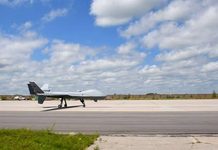
As part of the restructuring, European countries would need to supply their own reconnaissance drones, while the United States intends to considerably reduce its contribution of armed drone systems.
Additional details are expected to be discussed during a force generation conference scheduled for early June, Spiegel added.
Germany’s defense ministry did not immediately respond to Reuters’ request for comment.
A NATO spokesperson told Spiegel that the alliance had become too dependent on American military support in its force planning. The spokesperson added that as European countries and Canada continue increasing defense investments, NATO could redistribute military responsibilities more evenly among its members.