Israel is set to provide Romania with Spyder air defense systems under a deal valued at roughly €2 billion ($2.3 billion), according to an announcement made by Rafael Advanced Defense Systems on June 28.
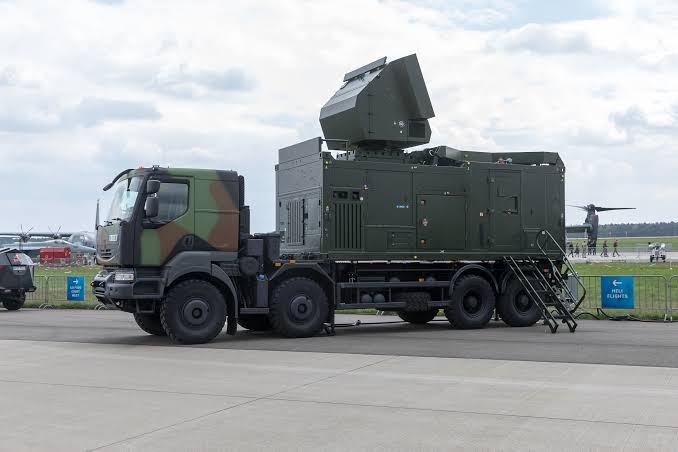
The agreement covers the delivery of launch platforms, interceptor missiles, radar equipment, training services, and logistical support packages.
Rafael stated that the initial order under the broader framework agreement was finalized last week. The company expects deliveries to commence within 36 months of the contract signing, with initial operational capability to be achieved through extensive industrial collaboration and local production activities in Romania.
The defense contractor described the agreement as the largest contract in its history. The deal comes as European nations continue to strengthen their defense capabilities amid heightened security concerns stemming from the ongoing Russia-Ukraine conflict. Romania, a NATO member on the alliance’s eastern flank, has experienced several security incidents involving drones crossing into or crashing within its territory.
One of the most recent incidents occurred in early June when Romanian authorities reported a drone explosion in the port city of Constanța. Approximately a week earlier, a Russian drone struck a residential building in Galați, a city located near Romania’s border with Ukraine.
The acquisition follows Rafael’s success in securing a Romanian Ministry of Defense contract for advanced air defense systems capable of countering threats such as drones, cruise missiles, precision-guided weapons, fixed-wing aircraft, and helicopters.
The Spyder system is a mobile air defense platform built around Rafael’s air-to-air missile technologies, including the radar-guided Derby missile and the infrared-seeking Python 4 and Python 5 missiles. The system is integrated with MMR radar technology produced by Israel Aerospace Industries.
According to specifications published by Rafael, the Spyder system can simultaneously launch up to four interceptor missiles, engage targets at distances of up to 40 kilometers (25 miles), and operate at interception altitudes reaching 12 kilometers (7 miles).