
Munich-based counter-drone company Tytan Technologies is preparing to open a new production facility in Germany as global demand for interceptor drones continues to grow.
According to a senior company official, manufacturing operations at the plant are expected to commence in August, with the facility designed to produce up to 3,000 autonomous interceptor drones each month.
Balázs Nagy, co-founder and CEO of Tytan Technologies, told Defense News that the company’s interceptor platforms have seen widespread deployment in Ukraine, where they have proven to be an affordable, efficient, and user-friendly means of addressing aerial threats.
Nagy noted that conventional air defense systems have struggled to demonstrate their effectiveness in the conflict, pointing out that costly, large-scale platforms have often been destroyed by inexpensive drones. He said Tytan’s approach dramatically reduces the cost of defending the same airspace by relying on autonomous counter-drone technology capable of intercepting hostile aircraft.
He described the company’s strategy as a fundamental shift in air defense philosophy, moving away from complex and expensive hardware toward simpler, highly scalable platforms powered by advanced software and autonomous capabilities.
As adoption of its interceptor systems expands among allied nations, including Germany and the Baltic States, Tytan Technologies is also exploring opportunities to broaden its manufacturing presence internationally. Potential sites for future production facilities include Poland and Hungary.
Nagy said the company’s upcoming larger manufacturing site in Germany will serve as a scalable model that can be replicated in other regions as demand increases.
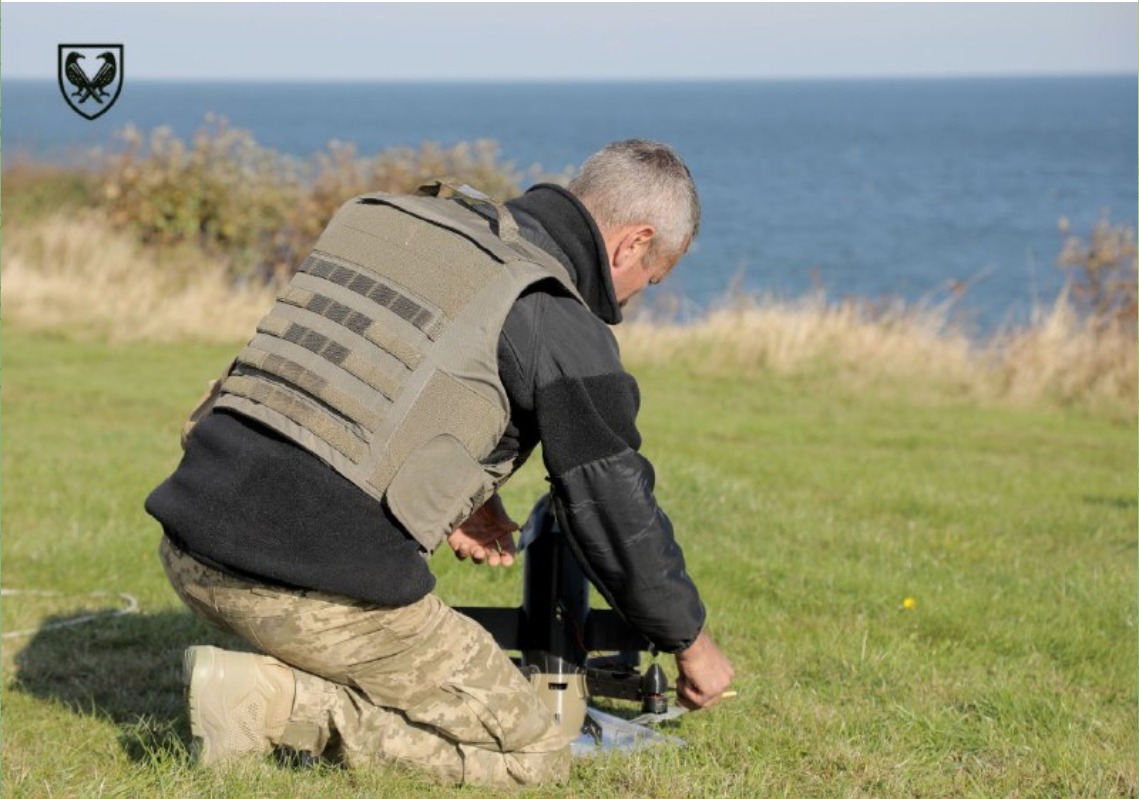
Tytan Technologies produces a portfolio of AI-enabled autonomous interceptor systems. Its offerings include the EOS, a short-range multicopter interceptor designed to counter small unmanned aerial systems classified as NATO Class I threats, and the METIS, a long-range fixed-wing interceptor developed to engage larger NATO Class II drone targets.