French defense and technology company Thales says it is making significant progress in discussions with several NATO member states over the potential adoption of its artificial intelligence-enabled command-and-control platform, HexaForce.
Patrick Moreau, Thales’ vice president for multi-domain operations, said the company is already engaged in advanced talks with a number of NATO countries, although he did not disclose which nations are involved. His comments came shortly after Thales announced the availability of HexaForce following trials at NATO’s Coalition Warrior Interoperability Exercise (CWIX) in Poland in June.
Thales describes HexaForce as a multi-domain command-and-control layer designed to work alongside existing national and legacy systems. Its open architecture is intended to let users select their preferred AI models rather than being tied to a single technology provider.
AI Takes a Larger Role in Military Command
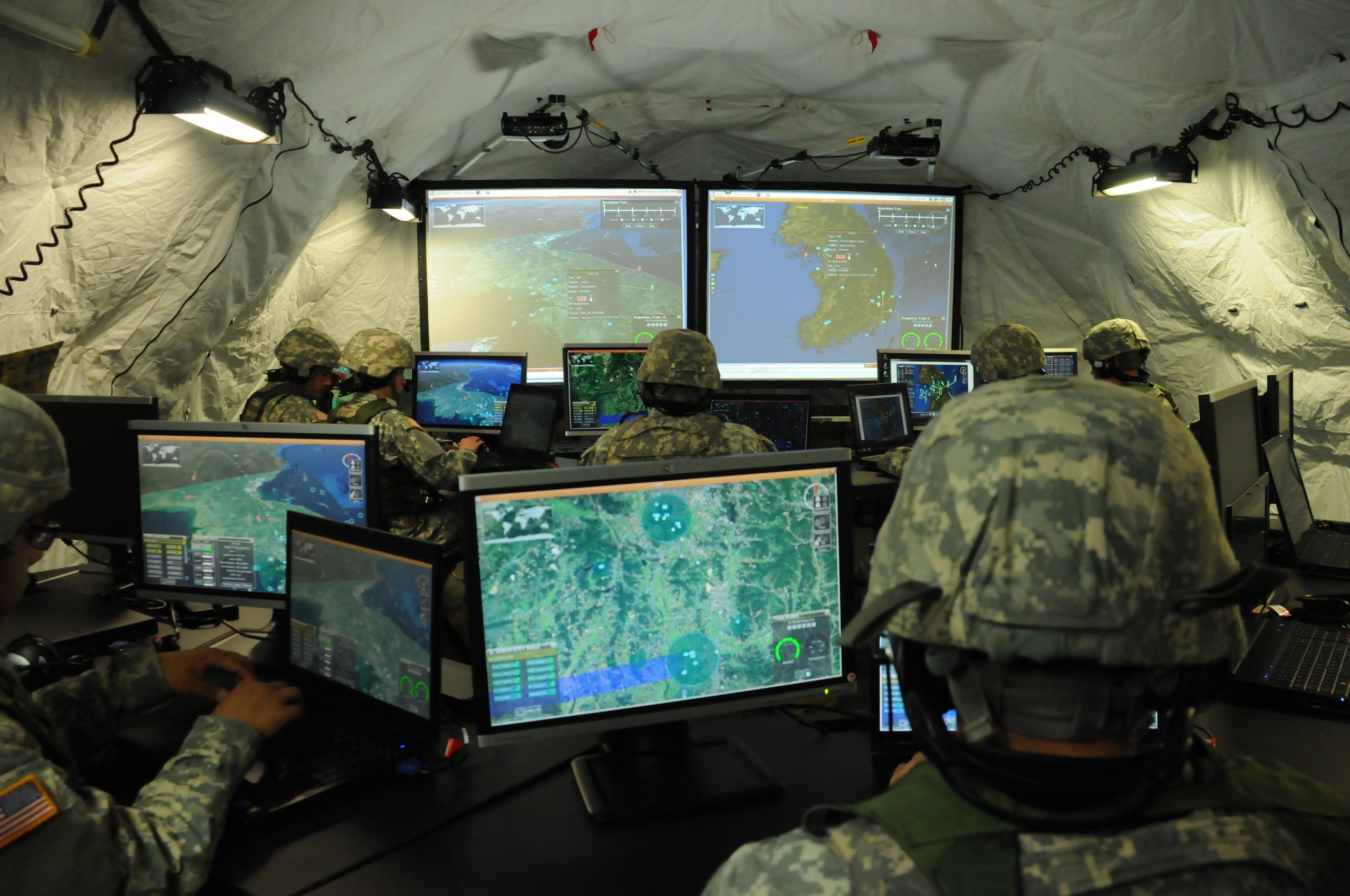
NATO and European militaries are increasingly examining artificial intelligence as a way to manage the growing volume and complexity of battlefield information. The technology can help process data, accelerate planning and provide commanders with a more comprehensive operational picture.
Moreau said AI will become increasingly important as military organizations expand their operations from brigade-sized formations to army corps involving more than 100,000 personnel. According to Thales, HexaForce is designed to support command and control from the army-corps level down to battalion formations.
One of the targets established with military users is the ability to prepare as many as 1,000 target missions per day, which would represent a tenfold increase over previous planning capacity, according to Moreau.
Open Architecture and AI Flexibility
HexaForce has been built around NATO interoperability standards and is designed to integrate with systems already used by individual armed forces. Countries can connect existing mission-planning capabilities or select the large language model they want to employ.
Beyond conventional LLM capabilities, the platform also incorporates agentic AI intended for functions such as preparing targeting missions.
The system uses a distributed architecture that can operate across multiple data hubs and command posts. This mesh-based approach is intended to reduce reliance on centralized computing and support operations in environments where communications and infrastructure may be disrupted.
Thales also says HexaForce incorporates data-centric security and NATO interoperability standards, supporting coalition operations and secure information sharing.
Adding AI to Existing Military Systems
Rather than requiring armed forces to replace their existing command systems, HexaForce is designed to interface with legacy solutions and add AI-enabled capabilities.
Moreau emphasized that HexaForce itself is a command-and-control platform, meaning it still depends on dedicated tactical systems to provide sensor and battlefield data.
The CWIX exercise provided an opportunity for military users to evaluate the platform’s interoperability with existing and older systems. Thales said the system was tested against NATO standards associated with Data-Centric Security and Federation Mission Networking.
Human Operators Remain in Control
At the strategic level, HexaForce can analyze identified threats and generate potential courses of action. These could include options involving air or land forces. The proposed course of action can then be selected by an operator and passed down to the tactical level for execution.
Thales has stressed that the system does not independently authorize or execute attacks. The final decision remains with a human operator, who determines whether to proceed and which proposed option to select.
The platform can also draw on information beyond traditional military systems. Potential data sources include commercial vessel-tracking information and cyber-threat intelligence, allowing commanders to build a broader operational picture.
Designed for NATO Interoperability
Although HexaForce was developed with contributions from the French Army, Moreau said the system is intended to function as a NATO-oriented capability rather than a solution exclusively designed for France.
The executive highlighted interoperability when discussing HexaForce alongside other command-and-control platforms, including Systematic’s SitaWare and Airbus’ Multi-Domain Combat Cloud.
According to Moreau, HexaForce is already available to armed forces. The initial version reportedly took approximately nine months to progress from design to deployment with the French Army.
France is separately developing its sovereign Arcadia command-and-control system. Moreau said HexaForce could potentially become an important component of that architecture, although the final decision rests with the relevant authorities rather than Thales.