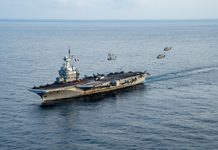
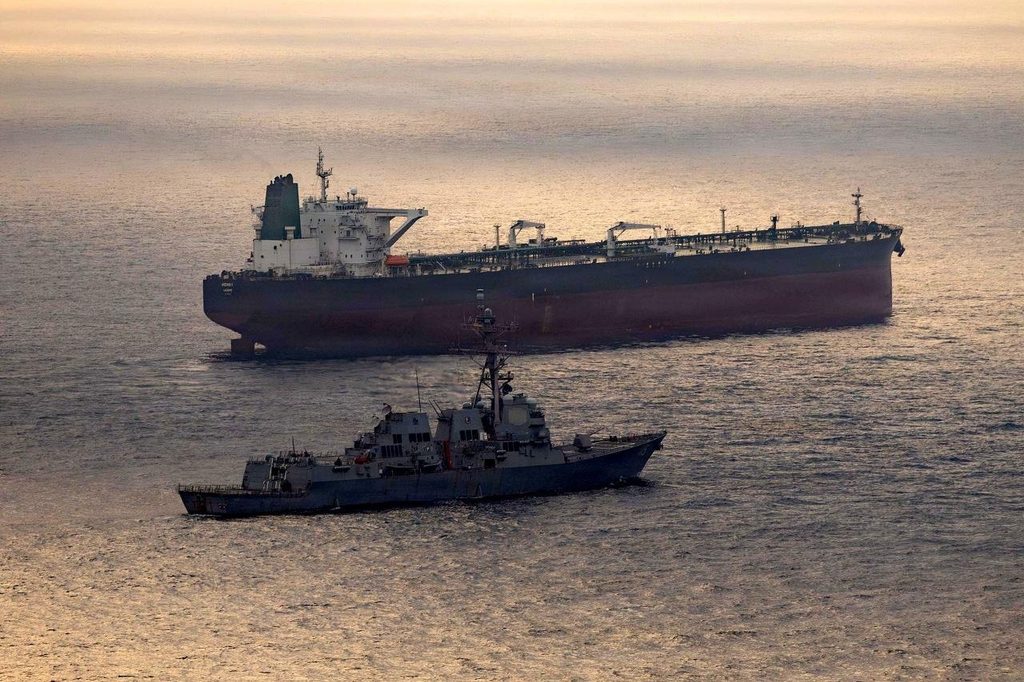
France will deploy military personnel and defensive equipment to Saudi Arabia to help safeguard the Red Sea port of Yanbu, a strategically important facility for the country’s energy exports, French President Emmanuel Macron said Thursday.
Macron said the deployment would include troops, radar equipment and air-defense systems. He emphasized that the mission would be defensive and intended to protect critical infrastructure rather than draw France into a wider conflict.
“We are going to send military resources, that is to say, soldiers, radar systems and defense systems, to protect this site — not to get us involved in any conflicts, but to protect this site,” Macron said during a prime-time interview with TF1 and France 2.
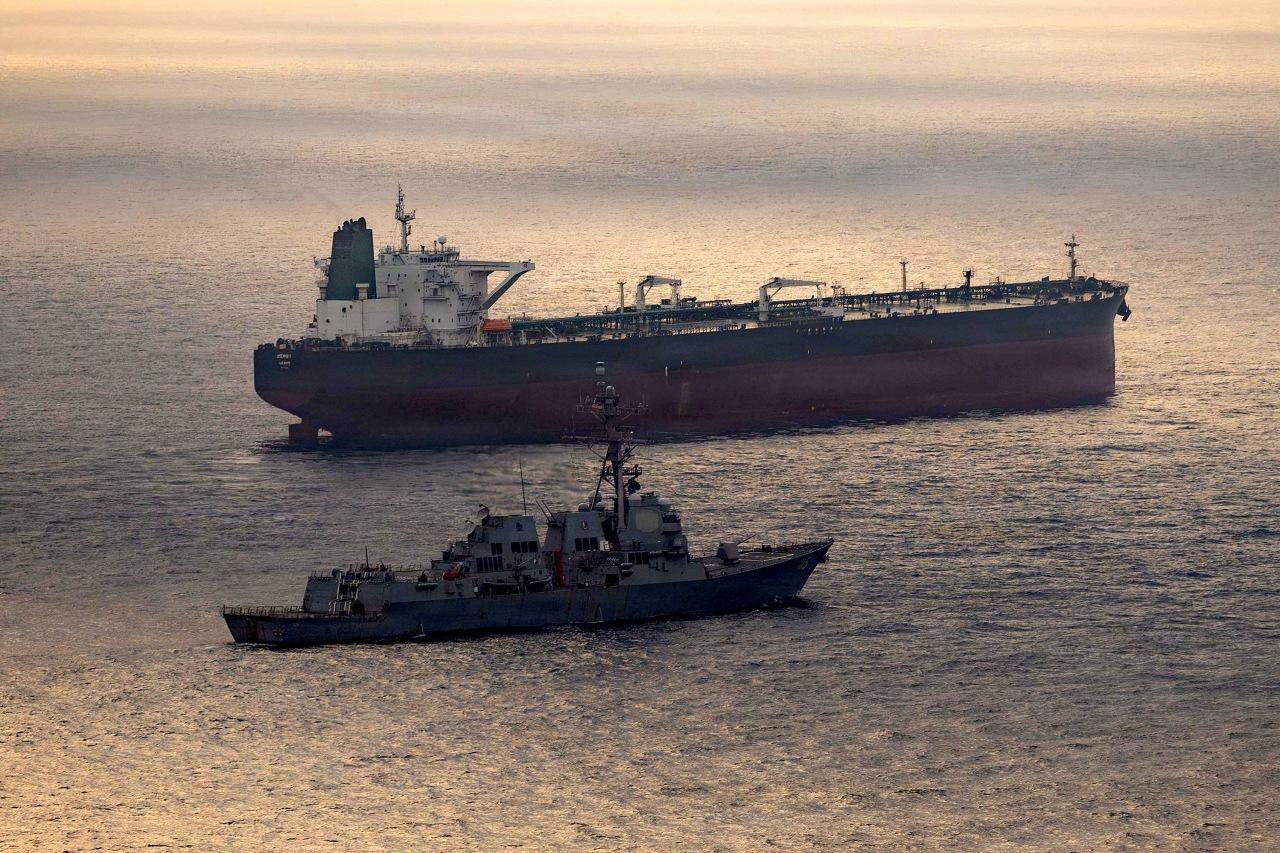
The announcement comes as attacks by Yemen’s Iran-backed Houthi movement have increased concerns over the security of routes used to transport Saudi oil. Yanbu has become particularly important because it provides an alternative export route when shipping through the Red Sea and the Bab el-Mandeb faces disruption.
Concerns Over Energy Supplies
Macron’s comments came as French households face pressure from elevated energy costs ahead of winter. He sought to reassure the public that France has sufficient supplies of oil and natural gas and said the government is working to prevent disruptions to energy flows.
The French president also criticized the potential impact of a reported U.S. move to restrict diesel exports. The White House has denied that such a ban is being considered, but Macron said implementing one would have serious consequences for both the global energy market and the U.S. economy.
Macron Warns of Russian Threat
During the wide-ranging television interview, Macron also addressed concerns about potential Russian attacks against European countries and France.
He rejected a report in Spanish newspaper El Mundo claiming that the U.S. Central Intelligence Agency had warned European governments about possible Russian drone attacks launched from vessels operating in the Mediterranean.
“I can deny it. The CIA did not inform French services,” Macron said.
At the same time, Macron argued that Russia is increasing what he described as hostile and criminal activities targeting European countries. He warned that France could face incidents similar to an attempted drone attack in Leipzig, Germany, in August. German authorities have attributed that incident to Russia.
Macron has previously brought French political leaders together at the Élysée Palace to discuss what he considers a growing Russian threat. Following those discussions, he said he had instructed his government to prepare measures aimed at protecting critical infrastructure from potential drone and cyberattacks.
According to Macron, Moscow’s broader objective is to intimidate European nations and weaken their determination to continue supporting Ukraine.
Russia has rejected European accusations concerning hybrid attacks, describing such claims as unfounded and driven by anti-Russian sentiment.
Dispute Over EU Sanctions
Macron’s stance toward Russia has also faced political complications within Europe. France recently drew attention after supporting an exemption from European Union sanctions for Russian-Uzbek metals businessman Alisher Usmanov, citing national security considerations.
The decision reportedly contributed to a diplomatic development involving Azerbaijan, which pardoned a French citizen who had been imprisoned on espionage charges.
The developments underline the complex balance facing France as it seeks to strengthen European security while managing energy concerns, relations with Gulf partners and its broader position toward Russia.