Destinus Says Ruta Cruise Missile Production Has Reached Nearly 300 a Month
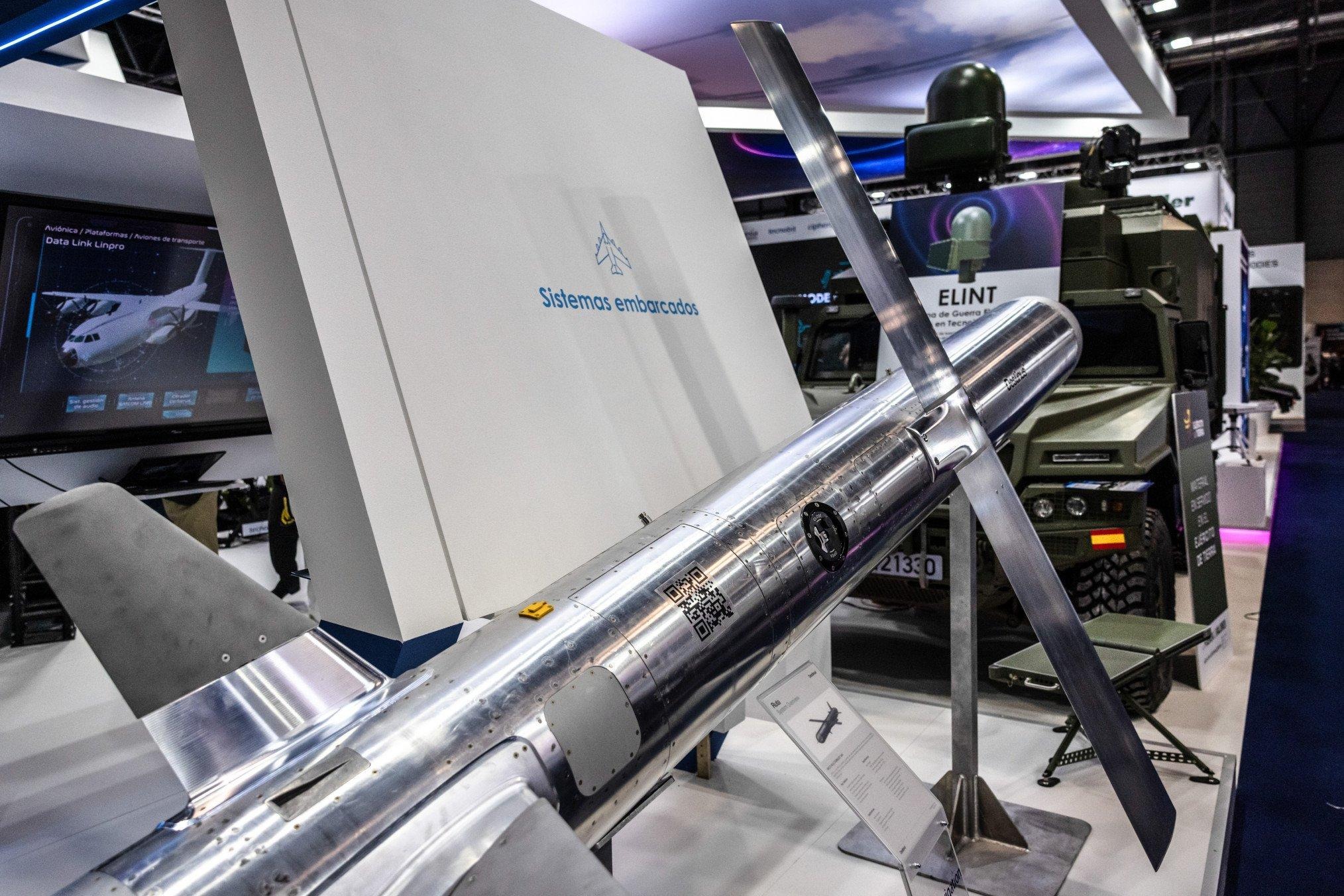
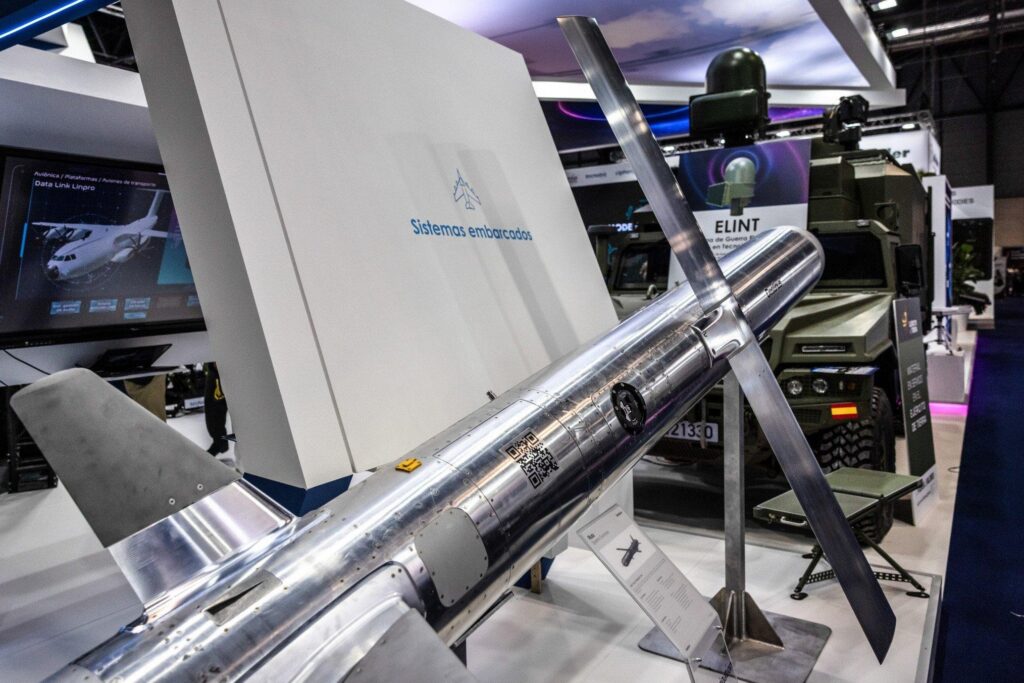
European defence startup Destinus says its Ruta cruise missile production has reached nearly 300 units per month, marking a significant expansion in its manufacturing capacity since Russia’s full-scale invasion of Ukraine. The Dutch-headquartered company told Reuters that it has built more than 1,750 Ruta missiles in Europe.
According to the company, its current monthly production exceeds the number of cruise missiles Europe produced in an entire year before the war began. Destinus is also expanding its propulsion manufacturing capabilities and has started producing a larger version of the Ruta missile.
Destinus Expands Ruta Cruise Missile Production
Destinus Chief Executive Mikhail Kokorich said the company expects to be capable of meeting European demand for turbojet engines in the approximately 1.5-kilonewton thrust category from 2027. These engines are used in cruise missiles.
Kokorich said Destinus is already manufacturing the engines in series and supplying them both for its own missile programmes and to other manufacturers.
Ukraine’s domestic missile industry has grown considerably during the war. However, scaling up production of jet-powered weapons has presented challenges, particularly in securing adequate supplies of propulsion systems.
The Ruta cruise missile was publicly acknowledged as having been used in combat in October 2025. Ukrainian President Volodymyr Zelenskiy said at the time that the weapon had been employed operationally.
Larger Ruta Block 2 Enters Production
Destinus has also begun manufacturing the larger Ruta Block 2 missile. The company says the new variant is designed to carry a 250-kg payload and has a range exceeding 700 km.
One of the key differences from the existing Block 1 version concerns its storage and launch arrangements. Block 2 is designed to remain in the same container during storage, transportation and launch. This approach could simplify logistics when maintaining and deploying larger missile inventories.
The expansion comes as European countries seek to increase their precision-strike capabilities and replenish weapons stocks. However, Kokorich believes that manufacturing more missiles is only part of the challenge facing European militaries.
European Militaries Face a Missile Integration Challenge
Kokorich told Reuters that Europe’s challenge is increasingly shifting from missile production to integrating larger numbers of weapons into military structures.
He argued that achieving sufficient deterrence would require stockpiles running into tens of thousands of missiles. However, he said European customers still need to develop the military units and logistical capabilities required to operate such large inventories.
These capabilities extend beyond purchasing the weapons themselves. Militaries would also need suitable infrastructure for storage, transportation, maintenance and targeting.
Kokorich believes European armed forces may therefore need to reconsider how they stockpile and deploy precision-strike weapons as production capacity expands.
Destinus Highlights Its China-Free Supply Chain
Kokorich also highlighted the company’s decision to avoid Chinese components in its supply chain. Comparing its approach with wartime manufacturing in Ukraine, he acknowledged that access to Chinese suppliers could make production cheaper, faster and easier.
Nevertheless, he said Destinus does not use Chinese components.
The company’s supply-chain approach comes amid wider concerns about the resilience of defence manufacturing and access to critical industrial inputs.
Destinus CEO Sees Demand for More Affordable, Shorter-Range Missiles
Kokorich also questioned the growing emphasis on developing very long-range strike weapons. While acknowledging the need for missiles capable of reaching distant targets, he argued that demand would also remain strong for less expensive systems with ranges below 1,000 km.
He said future missile requirements would include both long-range weapons and shorter-range, lower-cost alternatives.
His comments reflect Destinus’ view that expanding missile inventories will require a mix of capabilities rather than relying exclusively on very long-range systems.
As the company increases production of the Ruta family and develops its engine manufacturing business, the next challenge may be ensuring that European militaries have the infrastructure and operational capacity to make effective use of larger missile stockpiles.