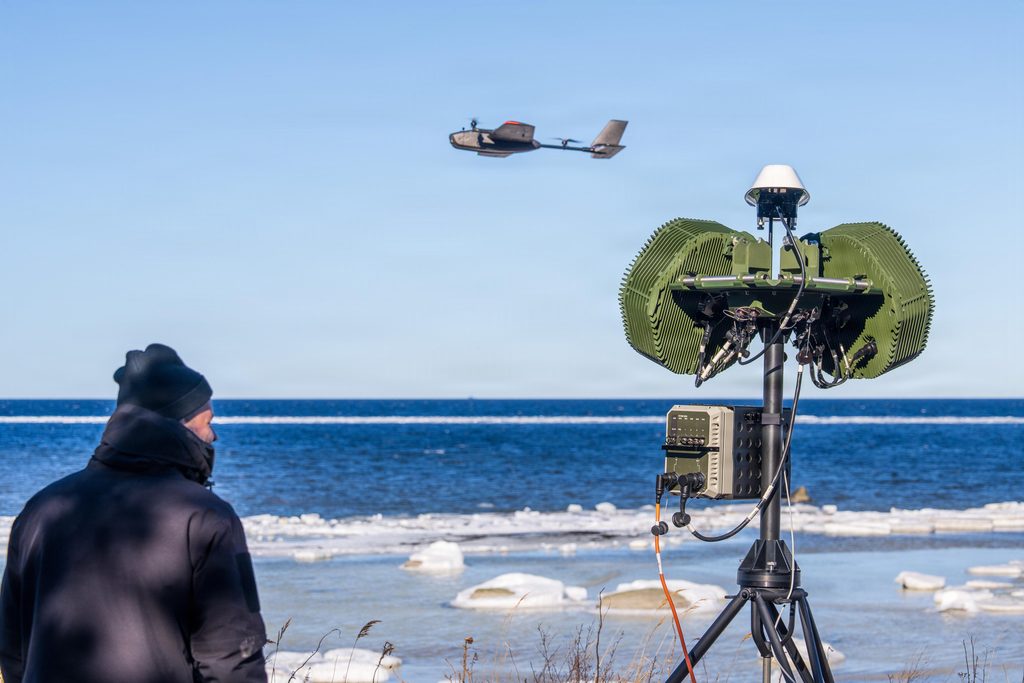
France has launched a new counter-drone pact with its defence industry to accelerate the development and procurement of systems designed to counter unmanned threats. The initiative brings manufacturers, military users and government procurement authorities together, with the aim of reducing administrative delays and getting operational capabilities into service more quickly.
The new agreement expands France’s existing initiative to strengthen its domestic drone industry. It covers systems designed to counter aerial, maritime and ground-based unmanned platforms.
France expands its defence industry drone initiative
The counter-drone pact will run until the end of summer 2027, according to Emmanuel Levacher, chairman of defence industry association GICAT and chief executive of military vehicle manufacturer Arquus.
Levacher said the intention is to renew the agreement after that period, combining the existing drone and counter-drone initiatives. He argued that the two areas should be developed together because the ability to deploy drones and defend against them are closely connected.
The original drone pact, announced in June 2024, was established to help France catch up in tactical drones and loitering munitions. It is led by the country’s Directorate General for Armament (DGA), working with GICAT.
France subsequently announced a similar initiative for naval drones in November, during the Euronaval defence exhibition. The new counter-drone agreement adds another component to the country’s effort to organise and expand its domestic unmanned-systems industry.
Ukraine and Middle East conflicts expose counter-drone requirements
The wars in Ukraine and the Middle East have demonstrated the urgency of developing effective counter-drone capabilities, according to Alice Rufo, France’s junior minister for the armed forces.
Speaking at the presentation of the new pact, Rufo described these conflicts as a “quite brutal reality check”. She also said French forces had already encountered problems linked to insufficient counter-drone capabilities, although she did not provide further details.
France has experienced several incidents involving drones flying over sensitive sites and military-related infrastructure.
In December 2025, drones reportedly overflew the Île Longue nuclear submarine base. Another incident was reported at the Toulon naval base in October 2026. French media have also reported drone activity over the Eurenco explosives plant in Bergerac and a freight train carrying Leclerc main battle tanks near Mulhouse in November 2025.
These incidents have added to concerns about the protection of military facilities and strategically important infrastructure from unmanned aerial threats.
Pact aims to connect industry with military requirements
The counter-drone initiative is intended to bring manufacturers into closer contact with the armed forces and the DGA. This is expected to help companies understand operational requirements, arrange testing and validation, and move suitable systems towards procurement.
Levacher said he expects most, if not all, of the approximately 200 partners involved in the existing drone pact to participate in the new initiative.
The agreement also seeks to bring together companies and other stakeholders in a sector that still needs greater coordination and organisation. According to Levacher, closer interaction should encourage collaboration, speed up development and improve communication between companies and military users.
The existing drone pact has already provided a forum for companies to identify potential project partners and exchange feedback from the war in Ukraine. The DGA has also used it as a framework for informal calls for ideas from industry.
Although the initiative is primarily focused on French demand and domestic industrial cooperation, participating companies are also pursuing export opportunities.
French drone industry has already secured military contracts
The original drone pact has helped create opportunities for French companies to develop and supply systems for the armed forces.
One example is Harmattan AI, a French startup that won a contract in June 2025 to supply the French Army with 1,000 low-cost drones. The company delivered the systems in January 2026, ahead of the Orion military exercise.
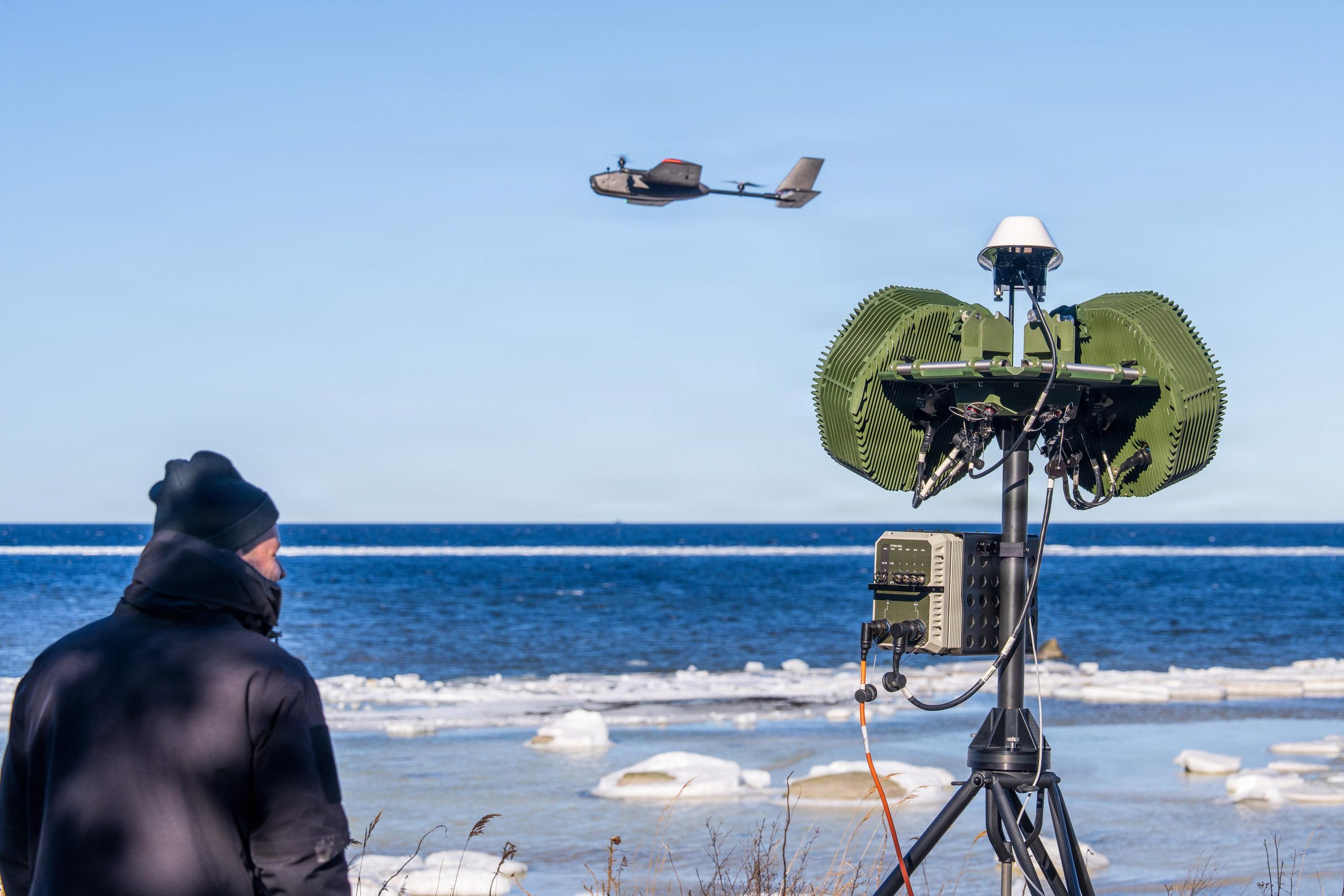
The counter-drone pact will seek to build on this type of industry engagement, but with a broader focus on technologies capable of detecting, tracking and countering unmanned systems across different operating environments.
By linking defence companies more closely with military users and procurement authorities, France aims to shorten the path from industrial development to operational deployment. The initiative also reflects a growing recognition that drone capabilities and counter-drone systems need to evolve together.