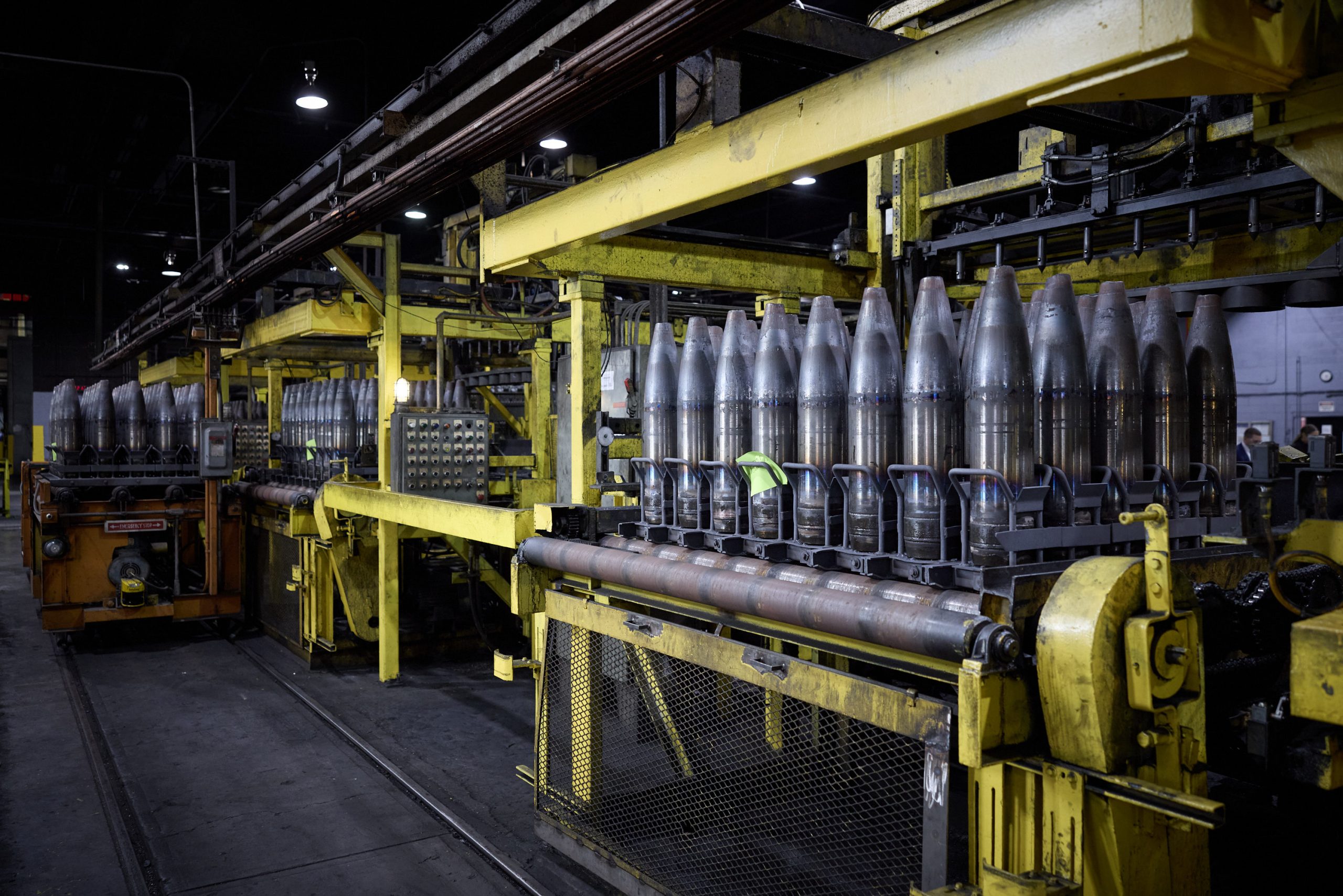
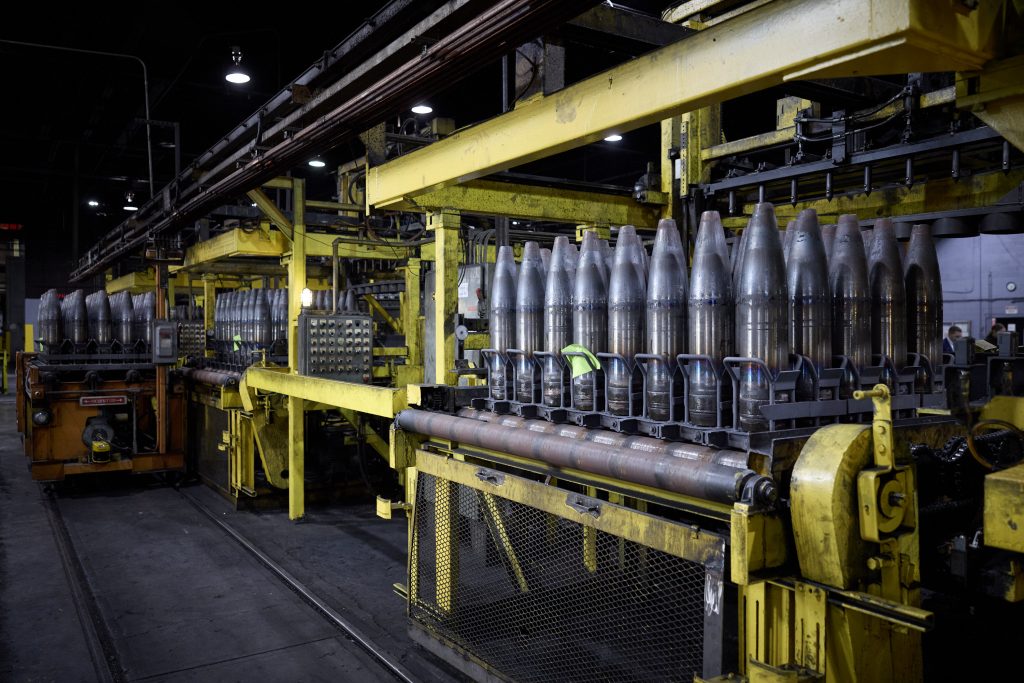
A Swedish defense firm is preparing to establish a large-scale 155mm artillery shell production facility in northeastern Estonia, marking what could become the country’s largest foreign investment in its developing defense manufacturing sector.
Estonian Defense Minister Hanno Pevkur announced last week that a deal has been secured with an undisclosed company to build the plant at the Põhja-Kiviõli defense industrial park. The investor is expected to contribute at least €300 million ($346 million), and the facility will manufacture ammunition across short-, medium-, and long-range categories.
Estonia’s national broadcaster ERR reported that the investor is Swedish, significantly narrowing potential candidates. One likely contender is Bofors, a well-known Swedish producer of artillery systems and munitions, now part of BAE Systems. Around the early 2000s, Bofors was divided into two segments: its artillery division, later acquired by BAE Systems, and its missile division, which became part of Saab.
When approached by ERR, BAE Systems spokesperson Matthew Knowles neither confirmed nor denied involvement, emphasizing Estonia’s importance as a partner while referring further inquiries to government authorities. Pevkur noted that confidentiality has been assured until contracts are officially finalized, expected by mid-April. He also clarified that the company is not South Korea’s Hanwha Aerospace or U.S.-based Lockheed Martin.
This project forms part of Estonia’s broader push to expand its defense industry. The Ermistu defense industrial park in Pärnumaa is already slated to host four firms, including the UK-linked Odin Defence and local explosives manufacturer Nitrotol, with production anticipated to begin by 2027. In addition, the Estonian government has established a state-owned enterprise, Hexest AS, to produce RDX explosives—an essential component for filling 155mm shells—with operations expected to start by 2028.
The initiative is driven by lessons from Russia’s ongoing war in Ukraine and the resulting global ammunition shortages, which have highlighted the dangers of depending on a limited number of suppliers. Estonia, which shares a border with Russia and allocates a significant portion of its GDP to defense within NATO, is investing heavily in domestic production capabilities despite the high costs involved.