Germany has decided to reposition two naval vessels that had been stationed near the Gulf of Aden in anticipation of a possible post-conflict security mission in the Strait of Hormuz. The decision reflects Berlin’s growing assessment that the conflict involving Iran is unlikely to subside in the near future.
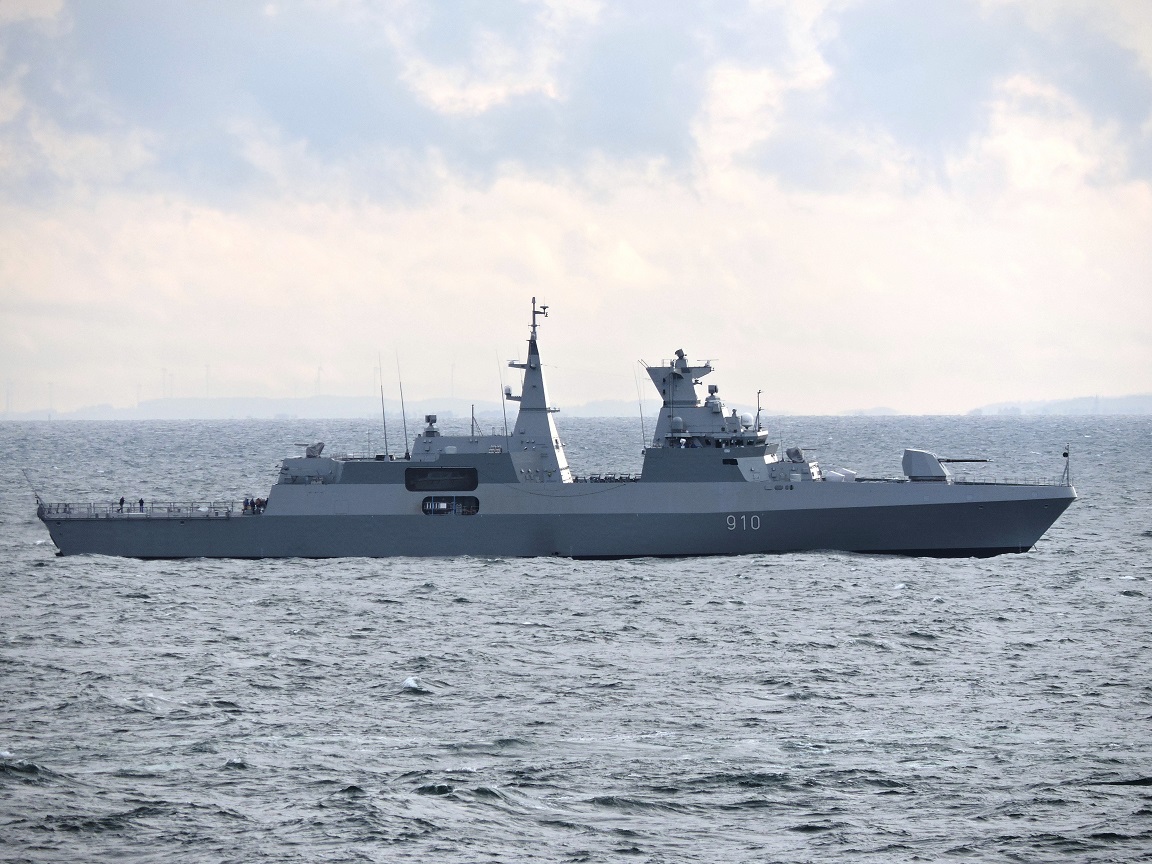
According to the German Ministry of Defense, the minehunter Fulda and the support ship Mosel will leave Djibouti—a strategic international naval hub located at the southern entrance to the Red Sea—and relocate to the eastern Mediterranean. The vessels and their crews will remain on standby there until further decisions are made regarding any future multinational mission in the Strait of Hormuz.
Following the outbreak of hostilities between the United States, Israel, and Iran in late February, several European countries indicated their willingness to contribute naval assets to an international operation aimed at protecting commercial shipping through the strategically important Strait of Hormuz. However, European governments had emphasized that such a deployment would only proceed if security conditions improved sufficiently to minimize the risk to their forces.
German defense officials now believe that such favorable conditions are unlikely, particularly after renewed military confrontations between Iran and the United States ended a brief period of relative calm. As a result, Berlin has reassessed the feasibility of maintaining its ships in the region.
Practical considerations also influenced the decision. Naval authorities noted that the cooling systems aboard the Fulda and Mosel, which depend on seawater, are not designed to operate efficiently in the exceptionally warm waters surrounding the Gulf of Aden. Since both ships were originally built decades ago for operations in the cooler waters of the North Atlantic and near Germany, the eastern Mediterranean offers a more suitable operating environment.
The Ministry of Defense stated that the redeployment has been coordinated with allied nations. The vessels are expected to travel to the Mediterranean under the protection of a capable air-defense escort, similar to the British destroyer Dragon, which safeguarded them during their earlier transit through the Red Sea en route to Djibouti.
Military analyst Sebastian Bruns of the Royal Swedish Society for Naval Sciences suggested that the withdrawal could attract criticism from U.S. President Donald Trump, who may interpret it as a reduction in Germany’s commitment to the region. Nevertheless, Bruns believes that other European governments are likely to understand Berlin’s decision, given the uncertainty surrounding U.S. policy and the rapidly changing messages from Washington regarding both military action and diplomatic efforts.
Bruns also argued that Germany’s original deployment was driven more by political symbolism than by a clearly defined strategic objective. In his view, sending highly specialized mine-countermeasure vessels without a well-established operational requirement placed them in a role that offered little meaningful contribution, potentially reducing morale among their crews.
Despite the relocation, the German Ministry of Defense emphasized that both Fulda and Mosel will remain ready for deployment should a multinational Strait of Hormuz security mission become viable in the future. Officials indicated that Germany will continue monitoring the regional situation for sustained signs that such an operation could begin.