Denmark’s parliament has unanimously ratified the Greenland security agreement with the United States, marking a significant step towards easing a diplomatic dispute that has strained relations within NATO. The agreement expands the framework for American military activity on the Arctic island while reaffirming Danish sovereignty and Greenlanders’ right to determine their own future.
The United States, Denmark and Greenland signed the agreement in September, following repeated threats by US President Donald Trump to take control of Greenland. The self-governing Danish territory, which has a population of approximately 57,000, is strategically important and possesses substantial mineral resources.
US Secretary of State Marco Rubio described the agreement as a modernisation of the defence partnership between the three parties.
“This agreement modernizes the United States-Denmark-Greenland defence partnership and bolsters the national security of the United States and our allies in NATO,” Rubio said in a statement posted on X.
Greenland security agreement expands US military role
The agreement provides for an expanded US military role in Greenland, including permission to establish a proposed Golden Dome missile defence system. At the same time, it reaffirms Denmark’s sovereignty over the territory and recognises Greenlanders’ right to self-determination.
The executive agreement will take effect once Denmark’s Foreign Ministry formally notifies the United States through a diplomatic note that the necessary procedures have been completed. It does not require approval by the US Senate.
The next stage will involve developing legislation and arrangements to implement the agreement. Denmark’s Defence Minister Jeppe Bruus told Reuters that the signatories would begin work on a new Greenland law allowing the screening of foreign investors on national security grounds. Plans for two new US military bases are also part of the agreement.
“I expect that the U.S. will now also start to be more concrete on the purposes and the arrangement around these two areas,” Bruus said.
Diplomatic tensions over Greenland’s future
The agreement follows months of negotiations triggered by Trump’s refusal to rule out using military or economic force to acquire Greenland. His statements provoked a diplomatic crisis within NATO in January and raised concerns about the future of relations between the United States and its European allies.
Greenland’s parliament ratified the agreement earlier this month. Denmark’s unanimous parliamentary approval represents another important step towards its implementation, with Danish lawmakers expressing relief and hope that the arrangement will help normalise the situation.
However, the diplomatic tensions have had a wider impact on Greenlandic society.
Greenlanders seek a return to dialogue
Naaja Nathanielsen, a Greenlandic member of the Danish parliament, said the pressure from Trump had created distrust towards the US administration among Greenlanders.
“It’s been really difficult for Greenlanders these past two years. It’s been seeping into every aspect of our lives,” Nathanielsen told Reuters.
She expressed hope that the agreement would provide an opportunity to restore dialogue after what she described as hurtful rhetoric within the Western alliance.
Questions remain over the agreement’s strategic implications
Although the agreement establishes a framework for greater US involvement in Greenland, its longer-term implications remain open to debate.
Mikkel Vedby Rasmussen, a political science professor at the University of Copenhagen, described the deal as a starting point rather than a final resolution.
“With the treaty in hand, the U.S. will be able to demand greater influence on decisions that have security policy implications and on part of the extraction of strategic resources,” he said.
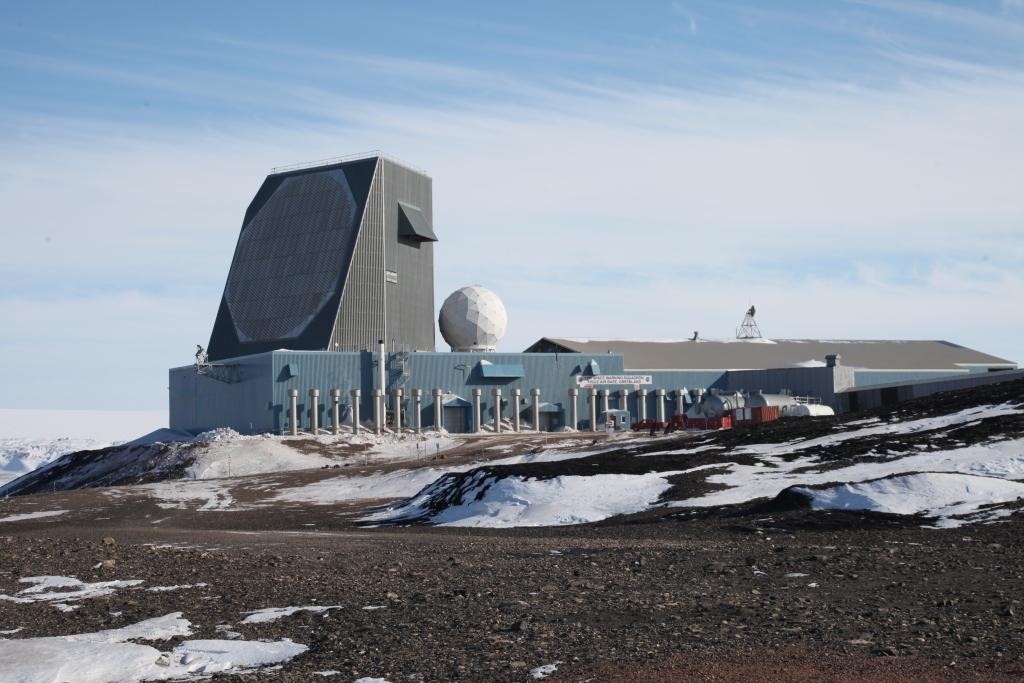
Other experts have argued that the agreement may not substantially increase American military access to the island. The United States already operates its northernmost military base in Greenland, which is positioned along the shortest route between Europe and North America.
This existing presence is an important consideration when assessing how much additional military access the new arrangement will provide.
Resource exploration remains a contentious issue
Greenland’s mineral and energy resources have been central to the wider dispute over the island’s future. Trump said last month that “massive oil, gas and mineral exploration” was set to begin in Greenland.
However, the statement is contentious because Greenland has banned new crude oil drilling. Denmark has also maintained that any resource extraction must comply with local law.
The new agreement therefore raises questions beyond military cooperation, including how security considerations and strategic resource interests will influence future decisions involving Greenland.
Denmark’s ratification brings the agreement closer to implementation, but it does not resolve all the political and diplomatic issues surrounding the island. Its practical effects will depend on the legislation, military arrangements and investment-screening measures developed by the signatories in the coming months.