Latvia’s defense minister has stepped down after Ukrainian drones once again entered the country’s airspace and struck an unused fuel storage site. The event is the latest in a string of incidents involving Ukrainian drones accidentally crossing into Baltic NATO territory while attempting to hit Russian targets located far from Kyiv.
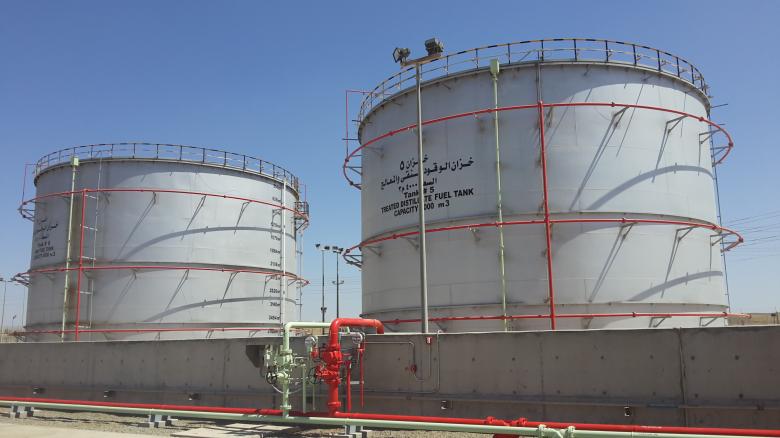
On May 7, two drones reportedly crossed into Latvia from Russian-controlled airspace and hit a fuel depot, though no injuries were reported. Similar cases had already occurred earlier this year, including one in March when a Ukrainian drone crashed into the chimney of a power plant in a neighboring Baltic state.
In response to the latest breach, Latvian Prime Minister Evika Siliņa said Defense Minister Andris Sprūds no longer had her confidence or the trust of the public, urging him to resign. Sprūds officially left office on Sunday and was succeeded by Col. Raivis Melnis.
The same day, Ukrainian Foreign Minister Andrii Sybiha acknowledged that the drones involved had been launched by Ukraine, although Latvia was not their intended destination. According to Sybiha, Russian electronic warfare systems had interfered with the drones and redirected them away from their planned targets inside Russia.
Earlier drone incidents across the Baltic region had already fueled speculation that Moscow was intentionally using electronic warfare technology to redirect Ukrainian aircraft back toward Europe. Sybiha’s remarks are now viewed as one of the clearest public acknowledgments that such tactics may be in use.
Although no casualties have resulted from the drone incidents so far, the repeated airspace breaches have exposed weaknesses in air defense systems along NATO’s eastern flank. Many observers believe the absence of injuries has largely been due to chance rather than preparedness.
During Thursday’s strike, which occurred about 40 kilometers inside Latvian territory near the Russian border, four empty oil tanks sustained damage. Fire crews extinguished a smoldering area measuring roughly 30 square meters. Authorities closed schools in Rēzekne, issued air raid warnings across three municipalities, and residents reported hearing explosions. NATO’s Baltic Air Policing mission also deployed French fighter jets during the incident.
Initially, Latvian officials explained that the drones had not been intercepted because doing so could have endangered civilians and nearby infrastructure. However, Sprūds later changed his position, stating that drones entering Latvian airspace should be shot down and emphasizing that responsibility rested with both the armed forces leadership and himself as defense minister.
Following the incident, Latvia and Lithuania renewed calls for NATO to strengthen regional air defense capabilities. Lithuania’s defense minister, Robertas Kaunas, stressed that improving anti-drone defenses in the Baltic region should become a priority and welcomed additional NATO support.