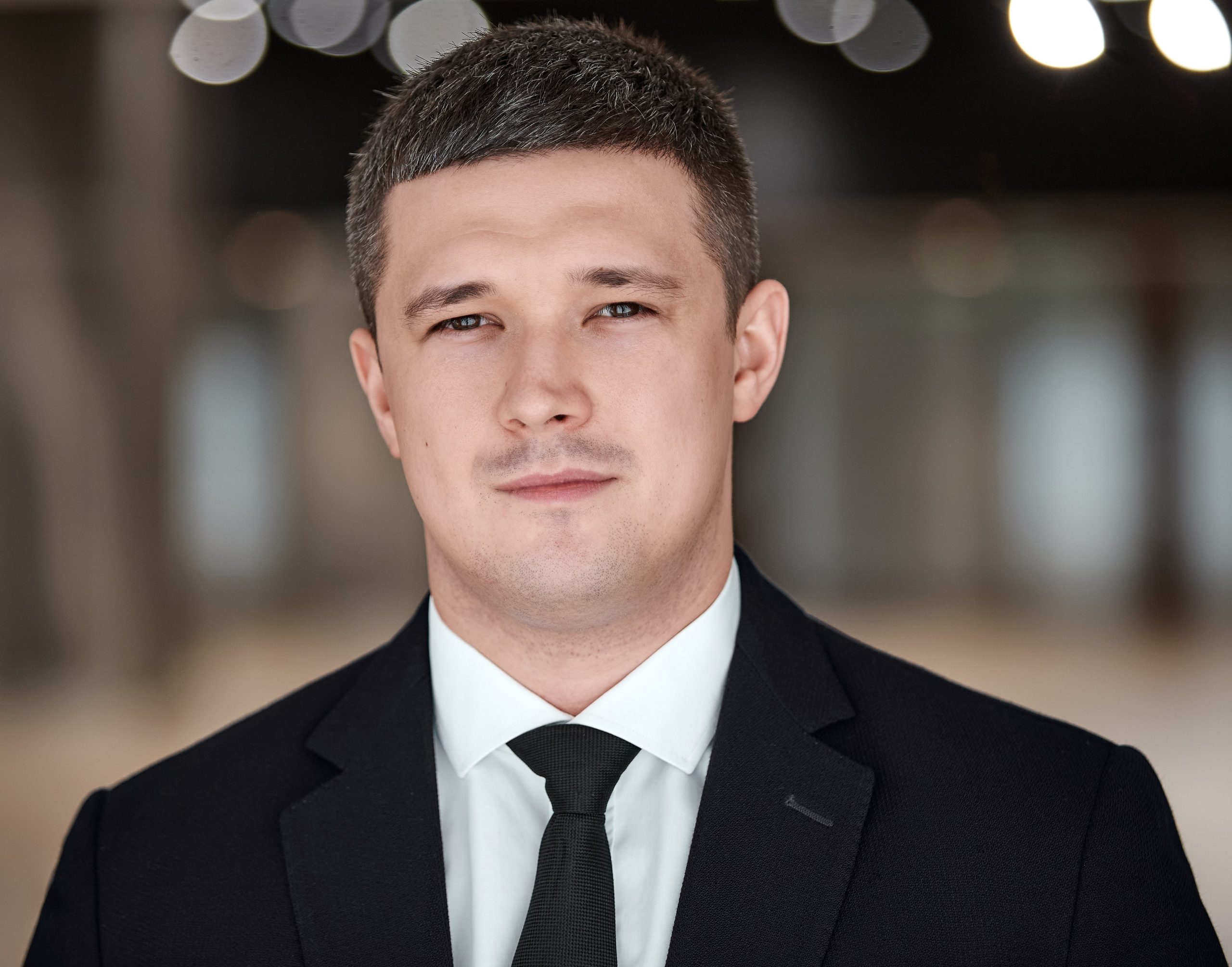
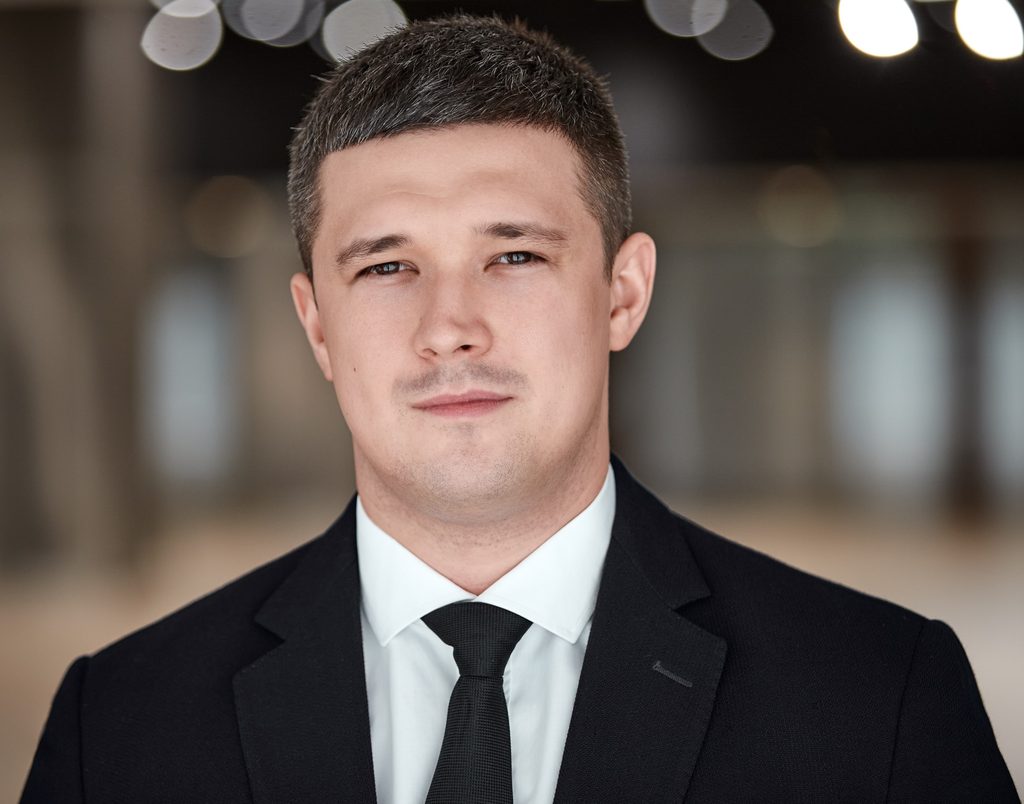
Ukraine appears to be gradually losing ground in its war with Russia, according to former Defence Minister Mykhailo Fedorov, who told Reuters that Kyiv may have only a few months to make critical decisions that could change the course of the conflict.
Fedorov, a young reform-minded politician whose dismissal last month triggered weeks of protests, said Ukraine lacked a coherent strategy for achieving victory and had been held back by its failure to embrace technological innovation.
He also pointed to entrenched corruption, patronage networks and insufficient political independence within state institutions as major obstacles.
“I think that there’s now a turning point which will determine our future trajectory, but it looks as though we’re gradually, slowly losing,” Fedorov said, offering a notably different assessment from Kyiv’s official messaging.
Despite the difficulties, he maintained that Ukraine still had “every chance” of prevailing, provided it urgently developed a credible strategy for bringing the war to an end.
Ukraine’s presidential office responded by noting that Fedorov had expressed confidence in the war effort while serving in the ministry, arguing that the main change since then was his own political position.
Interceptor Shortage Weakens Ukraine’s Defences
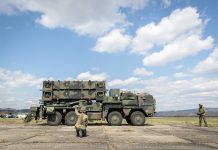
Russia has been launching dozens of ballistic missiles each month against Ukrainian factories, warehouses and other facilities. Ukraine has struggled to intercept many of these attacks as its supply of air-defence missiles declines.
Although Russia is advancing more slowly than it did last year, its forces continue to make gradual gains in the Donbas. Ukrainian frontline positions are also increasingly dependent on relatively inexperienced and poorly motivated conscripts.
Ukraine has responded by intensifying long-range drone and missile strikes against targets inside Russia. Some attacks have damaged important military production facilities and oil refineries, contributing to fuel shortages in parts of the country.
A poll carried out in late July showed that 82% of Ukrainians remained confident that their country would ultimately win the war. However, most respondents expected the fighting to continue through 2027 or beyond.
Fedorov, 35, was removed from his post only six months after taking office. During his tenure, he pursued reforms involving defence procurement and mobilisation, putting him at odds with sections of the military establishment and political opponents.
He further unsettled Ukraine’s political landscape last week by becoming the first prominent political figure to publicly call for elections during wartime, describing the country’s governance problems as “systemic.”
In a Monday interview, Fedorov highlighted several technologies he believes could significantly alter the battlefield, including AI-powered autonomous drones, low-cost interceptor missiles capable of countering Russian air attacks and a Ukrainian ballistic missile program.
Ukrainian defence companies are already developing some of these systems, but Fedorov argued that the country needs a coordinated national strategy to ensure their combined impact is maximised.
He envisioned a battlefield equipped with extensive electronic sensors capable of identifying enemy movements, supported by ground and aerial drones that could reduce the need for soldiers to remain exposed on the front line.
“Technologies exist already which could completely stop the Russians, but our absence of vision … means we do not apply them,” he said.
Fedorov also accused the Ukrainian state of failing to make effective use of its available resources, estimating that government operations were functioning at only around “5% effectiveness.”
Dispute Over Defence Budget
Fedorov claimed he played a major role in developing a Ukrainian drone campaign targeting Russian fuel supplies and military logistics in occupied areas of southern Ukraine. The attacks, he said, have created difficulties for Russian forces operating near the front.
He believes Kyiv has only a limited period—possibly a few months—to continue the campaign and attempt to isolate Russian-occupied Crimea before Moscow adapts to Ukraine’s tactics.
The drone offensive has also influenced perceptions of Ukraine’s ability to strike deep behind Russian lines.
Fedorov previously said the operation benefited from his decision to bring forward defence spending that had originally been scheduled for the second half of 2026.
President Volodymyr Zelenskiy, once Fedorov’s political ally but now a rival, said over the weekend that accelerating the spending had created a $27 billion shortfall in the ministry’s finances. Ukraine, which relies heavily on international assistance, currently has no clear way to cover that gap.
Fedorov disputed the figure, saying he did not know how Zelenskiy had calculated it. He maintained that his ministry had developed a financial plan based on savings generated through new procurement competitions as well as additional international assistance.
He also alleged that, when he took over at the defence ministry, some department heads had been appointed at the request of Ukrainian defence companies to advance their commercial interests.
“By the end of the year, the budget deficit under our planning was around five billion dollars, and we knew where we would get it,” he said. “Perhaps the plan changed and new projects emerged that require such a budget.”
Fedorov Calls for Wartime Elections
Fedorov’s demand for elections has received a mixed response, with public opinion polls consistently indicating limited support for holding a vote while the war continues.
Zelenskiy strongly criticised the proposal, warning that elections could undermine Ukraine at a time when it is fighting Russia.
Since Russia launched its full-scale invasion in February 2022, Ukraine has remained under martial law, which prevents elections from being held on security grounds.
Zelenskiy suggested that external actors could be encouraging Fedorov to push for an election. Fedorov has firmly rejected that allegation.
While acknowledging the considerable logistical and security difficulties involved in organising elections during wartime, Fedorov said Ukraine could develop innovative ways to overcome them. He stopped short of saying whether he would personally seek the presidency.
For now, Fedorov intends to divide his attention between efforts to restore Ukraine’s electoral process and initiatives focused on advanced military technology. These include an investment fund aimed at financing defence innovations, with plans to raise capital during a forthcoming visit to the United States.