Denmark Ratifies US Greenland Security Agreement Amid Arctic Security Tensions
Denmark’s parliament has unanimously ratified the US Greenland security agreement, a defence arrangement intended to strengthen military cooperation in the Arctic while reaffirming Danish sovereignty over the island and the right of Greenlanders to determine their own future.
The agreement, signed by the United States, Denmark and Greenland in September, comes after months of diplomatic tension triggered by US President Donald Trump’s repeated statements about taking control of the mineral-rich, self-governing Danish territory.
The ratification is an important step towards implementing the arrangement, although further diplomatic and legislative work remains. The agreement will take effect once Denmark’s Foreign Ministry notifies the United States through a diplomatic note that the required procedures have been completed.
US Secretary of State Marco Rubio described the arrangement as an update to the longstanding defence partnership.
“This agreement modernizes the United States-Denmark-Greenland defence partnership and bolsters the national security of the United States and our allies in NATO,” Rubio said in a statement posted on X.
US Greenland Security Agreement Expands Military Cooperation
The agreement provides for an expanded US military role in Greenland, including permission to establish a proposed Golden Dome missile defence system.
It also provides a framework for planning two additional US military bases on the island. According to Danish Defence Minister Jeppe Bruus, work will now begin on the arrangements for these facilities and on legislation to screen foreign investment in Greenland on national security grounds.
Bruus told Reuters that he expected Washington to provide greater clarity about the purposes and arrangements for the two proposed military areas.
The agreement does not require approval from the US Senate. Instead, its implementation depends on the completion of the necessary procedures and Denmark’s subsequent diplomatic notification to Washington.
Proposed US bases and investment screening
The planned investment-screening legislation would give the authorities a mechanism to assess outside investment on security grounds. This is particularly relevant to Greenland because of its strategic location and mineral resources.
The agreement therefore extends beyond military cooperation. Its implementation is also likely to involve discussions about how security considerations affect investment and the development of strategically important resources.
Greenland Sovereignty Reaffirmed Despite Trump’s Acquisition Threats
The negotiations took place against the backdrop of an unusually serious dispute within NATO.
Trump repeatedly expressed his desire for the United States to take control of Greenland and refused to rule out the use of military or economic pressure to achieve that objective. His statements triggered a diplomatic crisis in January and led to months of intensive negotiations among the parties.
Greenland is a self-governing territory within the Kingdom of Denmark. The new agreement reaffirms Danish sovereignty and recognises Greenlanders’ right to self-determination, even as it provides for a larger US defence role.
The distinction is significant: expanded American military access does not, under the agreement as described, transfer sovereignty over Greenland to the United States.
Greenlanders express concern over US pressure
The political dispute has also affected public sentiment in Greenland.
Naaja Nathanielsen, a Greenlandic member of Denmark’s parliament, told Reuters that Trump’s statements had created distrust towards the US administration.
“It’s been really difficult for Greenlanders these past two years. It’s been seeping into every aspect of our lives,” she said.
Nathanielsen expressed hope that the agreement would provide an opportunity to rebuild dialogue following what she described as hurtful rhetoric within the Western alliance.
Greenland’s parliament had already ratified the agreement earlier in November. Denmark’s unanimous parliamentary approval represents another step towards putting the arrangement into effect.
Strategic Influence and Greenland’s Mineral Resources
The agreement could also have implications for the future management of Greenland’s strategic resources.
Mikkel Vedby Rasmussen, a political science professor at the University of Copenhagen, argued that the arrangement was more likely to mark the beginning of a new phase in US-Greenland relations than the conclusion of the dispute.
“With the treaty in hand, the U.S. will be able to demand greater influence on decisions that have security policy implications and on part of the extraction of strategic resources,” he told Reuters.
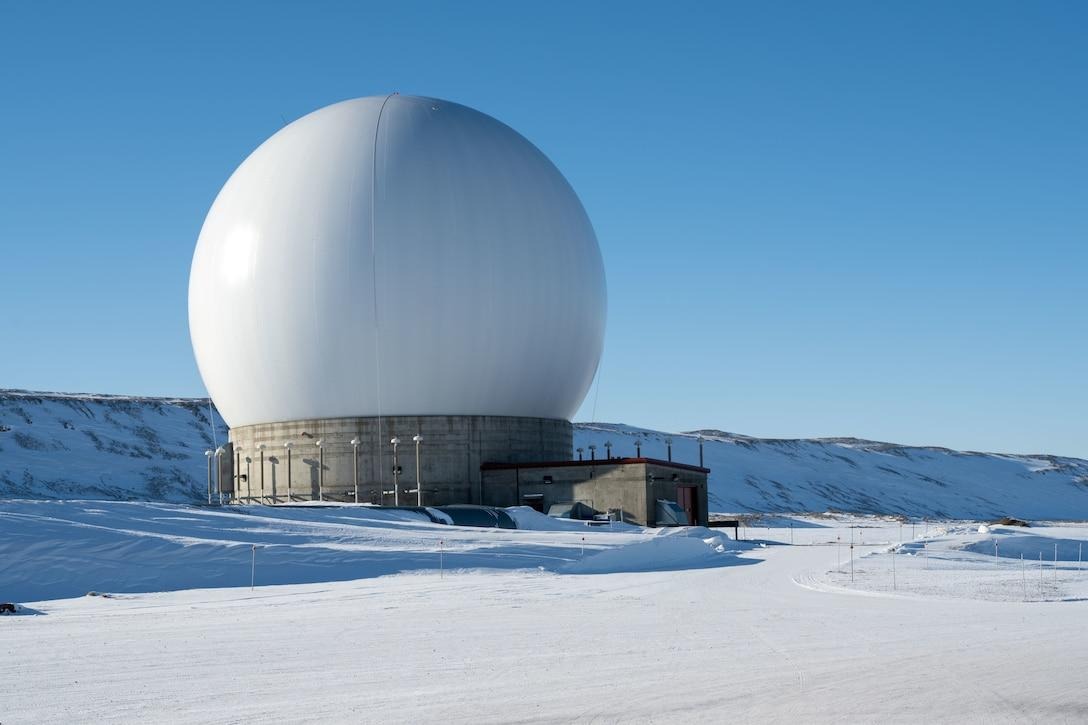
However, not all experts believe the agreement substantially increases US military access. The United States already operates its northernmost military base in Greenland, which occupies a strategically important position along the shortest route between Europe and North America.
The difference between formal provisions and practical military access will therefore be important as the agreement is implemented.
Greenland’s Oil and Mineral Development Remains Contentious
Greenland’s natural resources have been central to the political debate surrounding the island. Trump said last month that “massive oil, gas and mineral exploration” was set to begin there.
That statement has drawn attention because Greenland has banned new crude oil drilling. Denmark has maintained that any resource extraction must comply with local law.
The new security agreement does not, by itself, remove those restrictions or establish that large-scale exploration will proceed. Its provisions on investment screening and strategic cooperation will nevertheless make the relationship between security policy and resource development an important issue in future negotiations.
A New Phase in Arctic and NATO Relations
Denmark’s ratification gives the US Greenland security agreement a clearer path towards implementation, but it does not resolve every political question surrounding the island.
The proposed military bases, Golden Dome missile defence plans, investment-screening rules and future resource decisions will require further discussions. At the same time, the reaffirmation of Danish sovereignty and Greenlandic self-determination establishes important political principles for those negotiations.
For NATO, the arrangement offers a framework for continued cooperation in the strategically important Arctic region after a period of serious disagreement among allies. For Greenlanders, however, rebuilding trust and ensuring that decisions affecting the island respect their interests will remain central challenges.