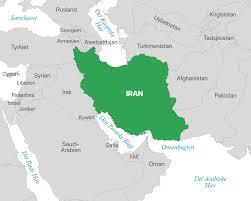
U.S. and Iranian representatives met in Geneva on Thursday as Washington oversaw its most substantial military deployment to the Middle East since the Iraq War. The high-stakes discussions were viewed as a final attempt to keep tensions between Washington and Tehran from escalating into open conflict, though no major breakthrough emerged.
The meeting, facilitated by Badr al-Busaidi, brought together a U.S. delegation headed by special envoy Steve Witkoff and Jared Kushner, alongside Iranian Foreign Minister Abbas Aragchi. It was the third round of discussions between the two countries this month.
Although no formal agreement was reached, Omani officials indicated that meaningful headway had been achieved. In a statement after the session, al-Busaidi described the talks as yielding “significant progress” and said they would continue following consultations in both capitals. He added that expert-level discussions are scheduled to take place next week in Vienna. Neither the White House nor Iranian authorities issued immediate public statements.
Earlier in the week, during his State of the Union address, Donald Trump said Iran could avoid confrontation by clearly stating it has no intention of ever acquiring nuclear weapons. While emphasizing his preference for a diplomatic resolution, he reiterated prior warnings that serious consequences would follow if a renewed nuclear accord is not secured.
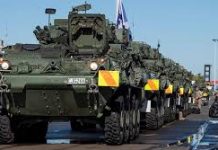
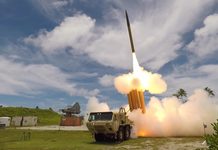
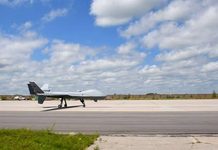
Defense analysts say the current U.S. military posture in the region accounts for nearly half of America’s deployable airpower — a scale not witnessed since the Gulf War or the 2003 Iraq invasion. The buildup reportedly includes two aircraft carrier strike groups along with dozens of bombers and fighter aircraft.
Despite mounting pressure, Iran has not signaled any retreat from its position. In a message posted on X, its foreign minister insisted that Iran would never pursue nuclear weapons but would continue to exercise its right to develop peaceful nuclear technology for civilian use.
Tehran has warned of severe retaliation should the U.S. launch a military strike. Iranian-aligned groups, along with the Taliban, have pledged support. In such a scenario, Israel would likely be a primary target, alongside American facilities throughout the region.
Several Gulf partners, wary of a broader regional war, have stated that their airspace would not be made available for U.S. military operations against Iran.
Among Washington’s reported demands is the dismantling of Iran’s three nuclear facilities — a stance that contrasts with Trump’s earlier claim that those sites had been “completely and totally obliterated” by U.S. B-2 bombers during Operation Midnight Hammer last June. At the time, he asserted that Iran’s nuclear program would take years to restore. However, Witkoff said in a recent interview that Iran may now be just a week away from producing weapons-grade nuclear material.
Meanwhile, Secretary of State Marco Rubio has highlighted another sticking point: Iran’s refusal to engage in discussions about its intercontinental ballistic missile program. Speaking to reporters on Wednesday, Rubio said Thursday’s talks were expected to center primarily on nuclear issues but stressed that Tehran’s unwillingness to address ballistic missiles remains a major obstacle in negotiations.