The conflict involving the United States and Israel against Iran has sparked a broader regional crisis, severely disrupting maritime traffic through the Strait of Hormuz—a critical passage responsible for transporting nearly 20% of the world’s oil and natural gas—and unsettling global energy markets.
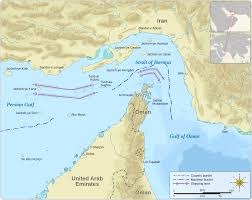
Following the killing of Iran’s Supreme Leader, Ayatollah Ali Khamenei, in a February 28 strike, Iran responded with attacks on U.S. military installations across the region and issued threats against vessels navigating the Strait of Hormuz. This narrow, 21-mile-wide channel along Iran’s southern coast quickly became a flashpoint, with at least three ships targeted the day after the initial strikes. In the days since, both Iran and the United States have continued to strike each other’s maritime assets. Gulf nations, heavily dependent on uninterrupted access through the strait for oil exports, are now grappling with significant shipping disruptions. Data indicates vessel traffic through the strait dropped by 70% following the launch of Operation Epic Fury.
Tensions between Washington and Tehran had already been mounting, particularly after negotiations to revive a nuclear agreement failed. The situation escalated further when Iran temporarily shut the strait for military drills while its foreign minister, Abbas Araghchi, was engaged in nuclear discussions with the United States. This move raised fears that Iran might leverage the waterway to restrict global energy supplies in retaliation for U.S. actions.
Although Iran has not officially declared the strait closed, reports suggest authorities have warned ships against entering. Tehran appears to be using the route as strategic leverage, having claimed responsibility for an attack on a vessel on March 11 and declaring ships linked to the United States, Israel, or their allies as legitimate targets. Iran’s new Supreme Leader, Mojtaba Khamenei, stated on March 12 that the blockade would remain in place.
These developments followed a major U.S. offensive on March 10, when American forces reportedly struck sixteen Iranian vessels suspected of laying mines, marking what officials described as the most intense day of operations so far. Since the conflict began, the Trump administration has also targeted Iran’s naval capabilities, aiming to weaken its ability to shut down the strait entirely. Former President Donald Trump has floated the idea of asserting control over the waterway and warned Iran against disrupting oil shipments. He also suggested a potential insurance scheme, backed by U.S. naval escorts, to ensure continued energy flows through the Gulf.
The escalating conflict has triggered sharp fluctuations in global energy prices. Brent crude surged by up to 13% on March 2, while natural gas prices jumped 50%, partly due to QatarEnergy halting production after drone strikes on its facilities. In the U.S., fuel prices have risen steadily, with crude surpassing $100 per barrel for the first time in nearly four years. However, markets remain highly volatile, with prices dropping again after Trump declared the war largely concluded.
The scale of disruption is being described as unprecedented—reportedly three times larger than the 1973 Arab oil embargo, according to Rapidan Energy Group. Many shipping companies are rerouting vessels around the Cape of Good Hope to avoid the conflict zone, leading to increased costs and longer transit times.
The crisis has also reignited discussions around tapping into emergency oil reserves. The International Energy Agency has agreed to release 400 million barrels of crude—the largest coordinated release in its history, surpassing measures taken after Russia’s 2022 invasion of Ukraine. Countries such as China, India, and Japan, which rely heavily on energy supplies passing through the strait, face heightened risks of supply disruptions.
Iran’s use of the Strait of Hormuz as leverage is not new. In 2019, Tehran threatened to close the waterway after the U.S. revoked sanctions waivers for countries importing Iranian oil. The United States has consistently maintained that freedom of navigation in the strait is a vital interest, raising the likelihood of confrontation if Iran attempts a full blockade. During the Iran–Iraq War, U.S. naval forces escorted oil tankers through the strait, and in 1987, American troops engaged Iranian forces laying mines in the Gulf.
While Iranian officials claim they have the capability to block the strait, experts believe sustaining such a closure would be challenging. However, Iran could still disrupt shipping through alternative tactics, such as deploying small fast-attack boats or laying mines via submarines. The legal basis for such actions is also contested, as the UN Convention on the Law of the Sea limits national jurisdiction to 14 miles from a country’s coastline. Although Iran signed the agreement, it has never ratified it.