Fincantieri is positioning itself to deliver a wide range of vessels for the U.S. government—from corvettes and autonomous ships to icebreakers and cable-laying vessels—after the cancellation of the Constellation frigate program, according to a senior executive.
“We are prepared to handle highly complex shipbuilding projects,” said George Moutafis, speaking to Defense News.
The company had been scaling up production of Constellation-class frigates at its Wisconsin shipyard for the U.S. Navy when the program was halted. The cancellation followed delays tied to design changes requested by the Navy. In place of that program, the Navy has shifted toward procuring smaller FF(X) vessels from HII’s Ingalls Shipbuilding yard, based on a U.S. Coast Guard cutter design. Meanwhile, Fincantieri recently secured a contract to build Marine Landing Vessels.
Looking ahead, Moutafis emphasized the company’s focus on future opportunities. He noted that the Navy is still determining the final composition of its “Golden Fleet,” with the Small Surface Combatant category potentially exceeding 70 ships. While lighter FF(X) vessels are currently favored, he suggested the mix could also include smaller but highly capable corvettes or even large unmanned platforms. Beyond combat ships, Fincantieri is also ready to produce icebreakers, cable-laying ships, and both crewed and uncrewed aluminum vessels.
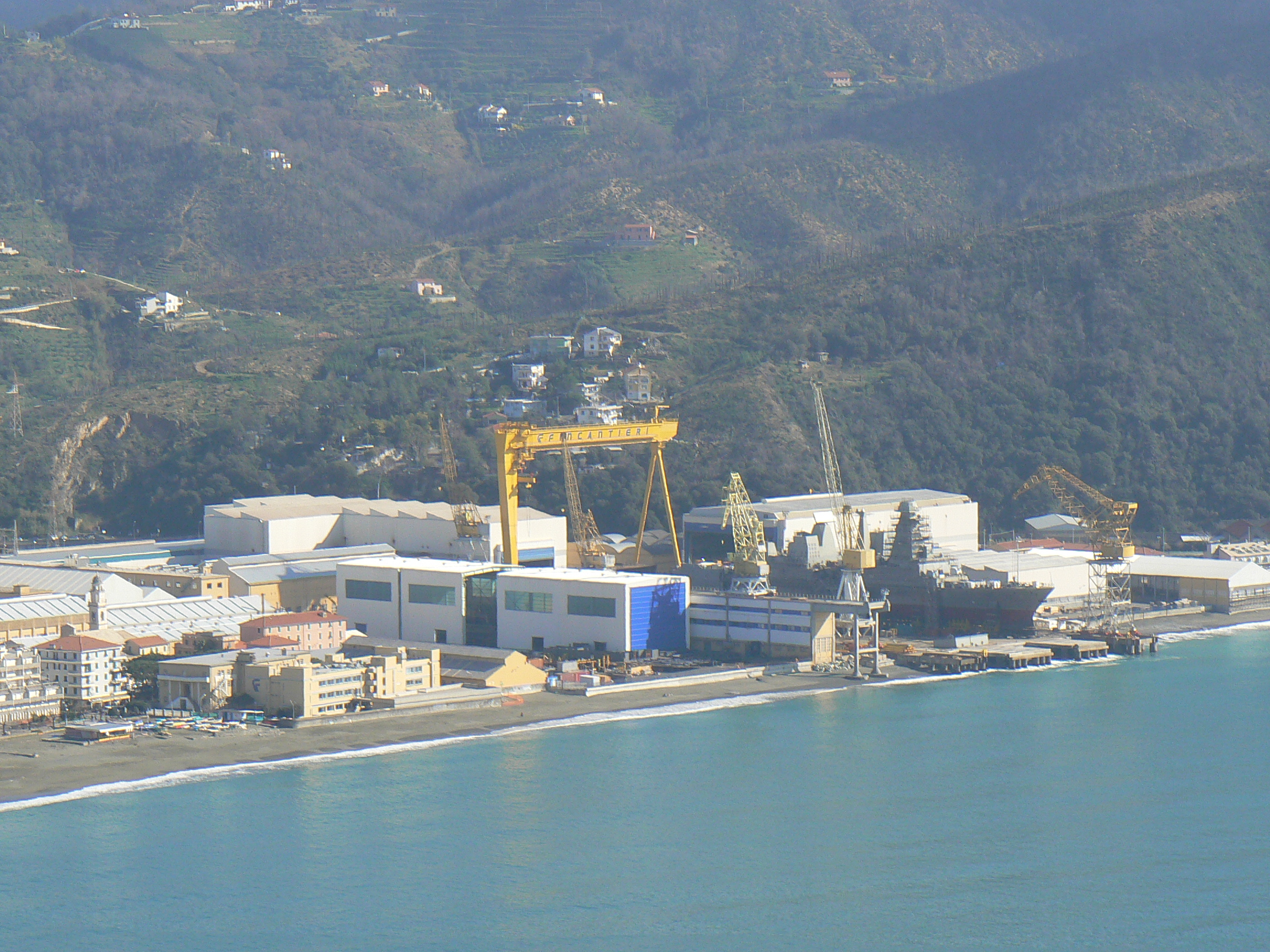
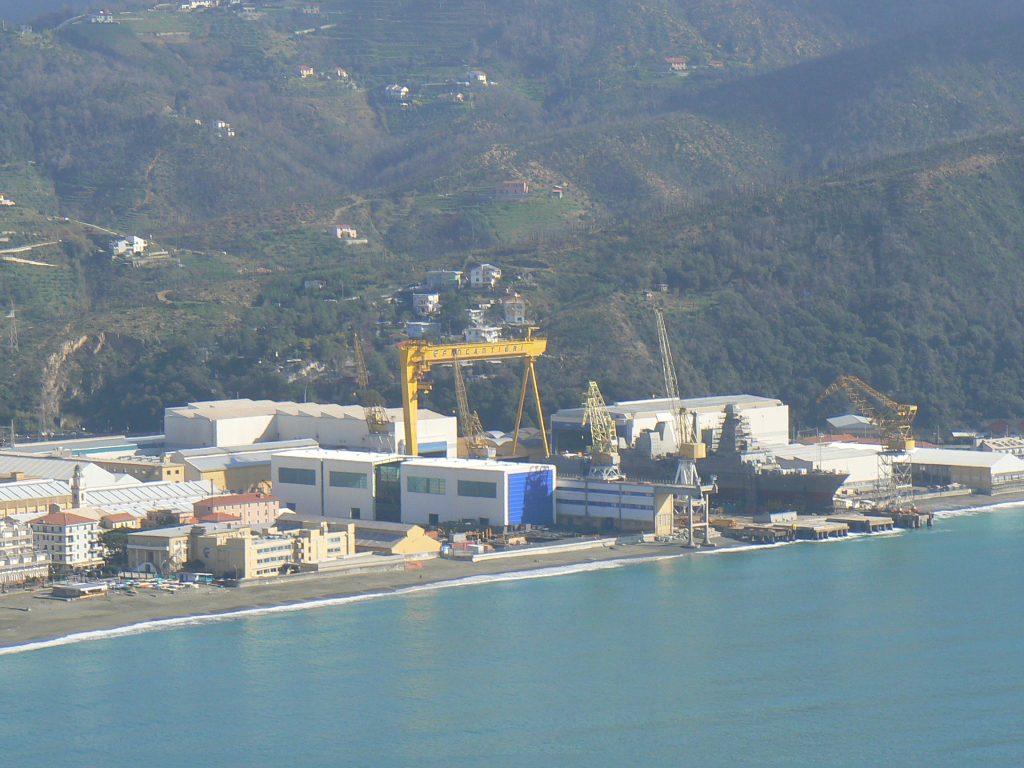
He added that the company is closely tracking how requirements evolve and believes it is well positioned to meet them. Fincantieri’s Marinette Marine shipyard, backed by roughly $800 million in investment and a workforce of around 3,000, is prepared to support U.S. naval expansion. Moutafis said his immediate priority is maintaining stability at the yard while maximizing the opportunity presented by the Landing Ship program, but stressed that the company is ready to scale up when needed.
As work begins on four Marine landing vessels, the Navy has issued a Request for Proposal for a Vessel Construction Manager (VCM) to oversee the project and serve as an intermediary between the service and the shipbuilder. The VCM will be responsible for managing the program from design through delivery and post-delivery support.
According to Moutafis, the Navy intends to give the VCM significant authority over scheduling to accelerate delivery while maintaining quality. He described this approach as a major shift, with the Navy effectively delegating program control to the VCM. A critical factor for success, he said, will be finalizing the vessel design upfront and avoiding later modifications.
“The goal is to lock in a complete design with no changes,” he explained, adding that the Navy is aiming to streamline processes rather than add complexity. Fincantieri, he said, will work within this framework and sees the Landing Vessel program as a strong opportunity to return to large-scale, serial naval ship production.