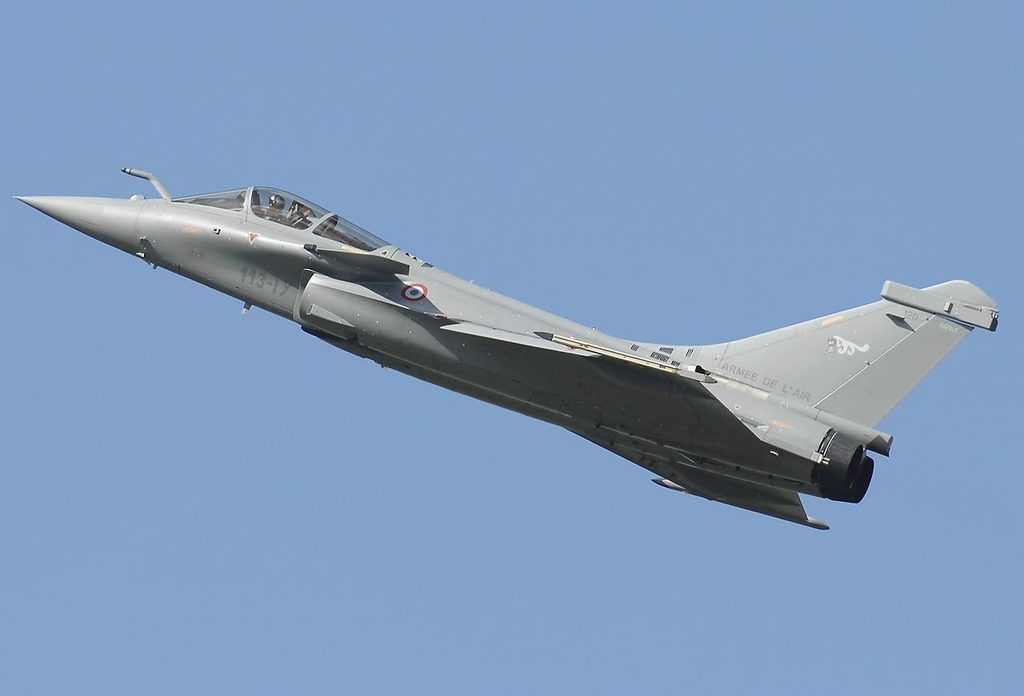
France is moving to speed up the development of its own next-generation combat aircraft while upgrading its existing fighter fleet, according to a report published by French newspaper Les Echos on October 11. French Air and Space Force Chief of Staff General Jérôme Bellanger outlined the country’s plans to strengthen its independent combat aviation capabilities.
The decision follows the effective breakdown of the Franco-German Future Combat Air System (FCAS) initiative, which was designed to deliver a next-generation European fighter. France is now advancing its national aircraft project, known as the ACF (Avion de Combat du Futur), replacing the earlier New Generation Fighter (NGF) concept.
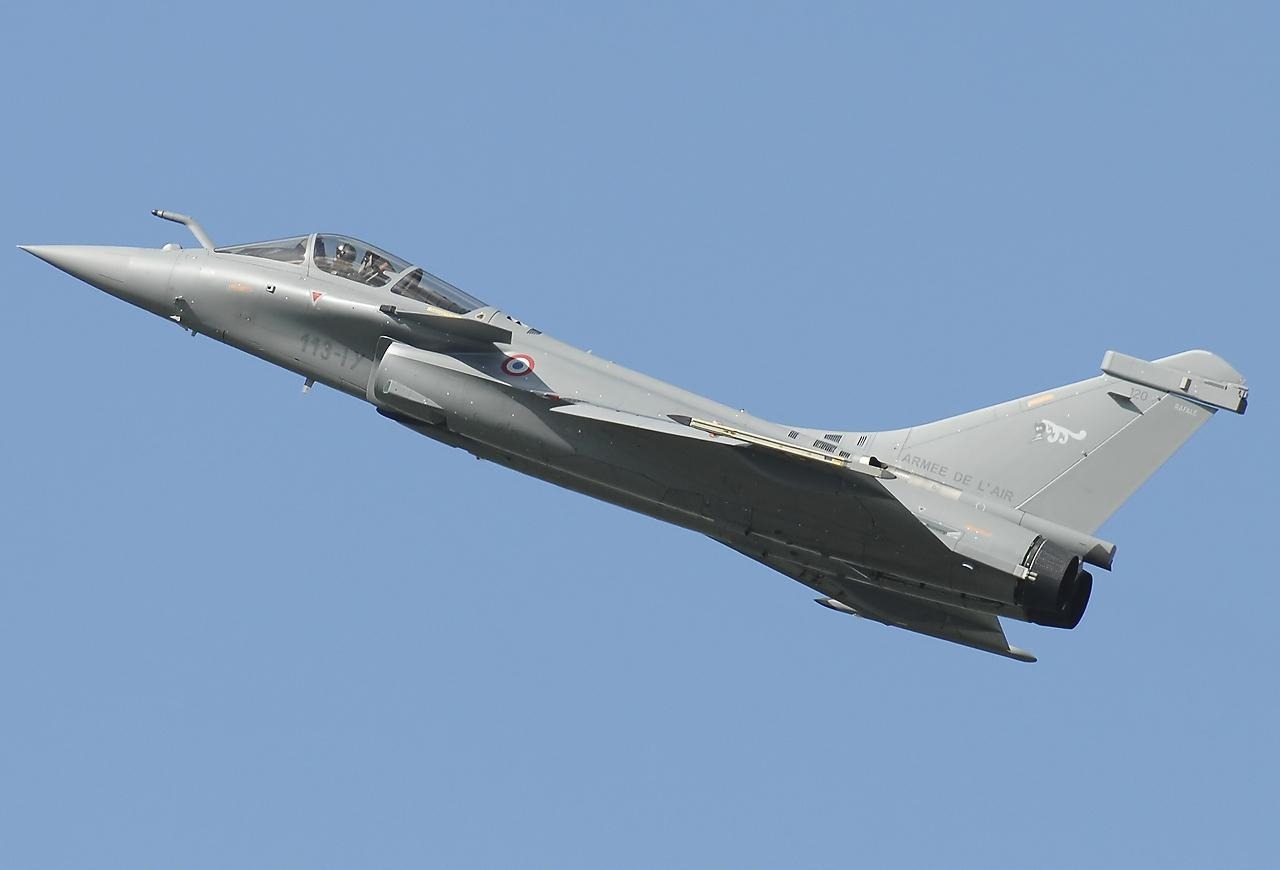
The ACF program is expected to move toward a flying prototype phase in 2027, with development of the operational aircraft scheduled to begin in 2029. Separately, France plans to formally launch the Rafale F5 upgrade program, commonly referred to as the “Super Rafale,” in December 2026.
The Rafale F5 is expected to incorporate a new engine, enhanced sensors, artificial intelligence capabilities and a high-speed missile intended to support France’s airborne nuclear deterrence mission. The upgraded aircraft is also expected to contribute technologies for the country’s future sixth-generation fighter.
France Advances AI-Powered Fighter and Drone Operations
Alongside its aircraft development programs, France is working on systems that will allow crewed fighter jets to coordinate operations with unmanned aircraft.
The HypAIRion program is testing artificial intelligence technologies using two Mirage 2000 fighters converted into airborne research platforms. France aims to conduct an initial coordinated flight involving a Rafale and an accompanying drone in 2028.
According to Les Echos, Dassault Aviation has already tested two AI algorithms aboard a Rafale and carried out a simulated firing engagement involving a drone developed by Harmattan AI.
These technologies are intended to strengthen threat identification, targeting and communication between piloted aircraft and drones. Such cooperation could enable fighter jets and unmanned platforms to work together more effectively when confronting hostile air-defense systems.
France Targets a Fighter Fleet of at Least 230 Aircraft by 2035
France also plans a substantial expansion of its combat aircraft inventory. The objective is to increase the fleet from approximately 170 aircraft to at least 230 by 2035, representing growth of more than 35%.
General Bellanger noted that French combat aircraft are already being used at operational rates more than 15% above normal levels, underlining the growing demands on the country’s air force.
The French Air and Space Force is also preparing to establish two new squadrons at Cazaux Air Base. One will focus on reconnaissance and strike drones, while the other will concentrate on high-altitude threats, including ballistic missiles and surveillance balloons.
Proposed Defense Budget Allocates Billions to Fighter Development
France’s proposed 2027 defense budget includes significant funding provisions for its next-generation aviation ambitions. According to Les Echos, the plan provides for up to €3 billion in procurement authorizations for the Rafale F5 program and a further €2.7 billion for the ACF project.
However, the proposed allocations remain subject to approval by the French Parliament.
The investment plans reflect a broader effort to adapt France’s air capabilities to an increasingly challenging security environment. Russia’s war against Ukraine has highlighted the growing battlefield importance of attack drones, missiles and integrated air-defense systems, prompting European countries to reconsider their military requirements.
FCAS Disputes Raise Questions About European Defense Cooperation
The shift toward an independent fighter program follows years of difficulties within the Franco-German FCAS project. Disagreements over national priorities, industrial responsibilities and cooperation between defense companies repeatedly delayed progress on the planned next-generation aircraft.
Similar obstacles have affected the jointly developed Main Ground Combat System (MGCS), intended to replace existing French and German main battle tanks. The difficulties surrounding both programs have raised wider questions about the future of bilateral defense-industrial cooperation.
France’s current strategy places greater emphasis on developing sovereign combat aviation technologies, upgrading the Rafale and preparing for future generations of aircraft. At the same time, the country is investing in AI-enabled operations, drone integration and a larger fighter fleet to address emerging military challenges.