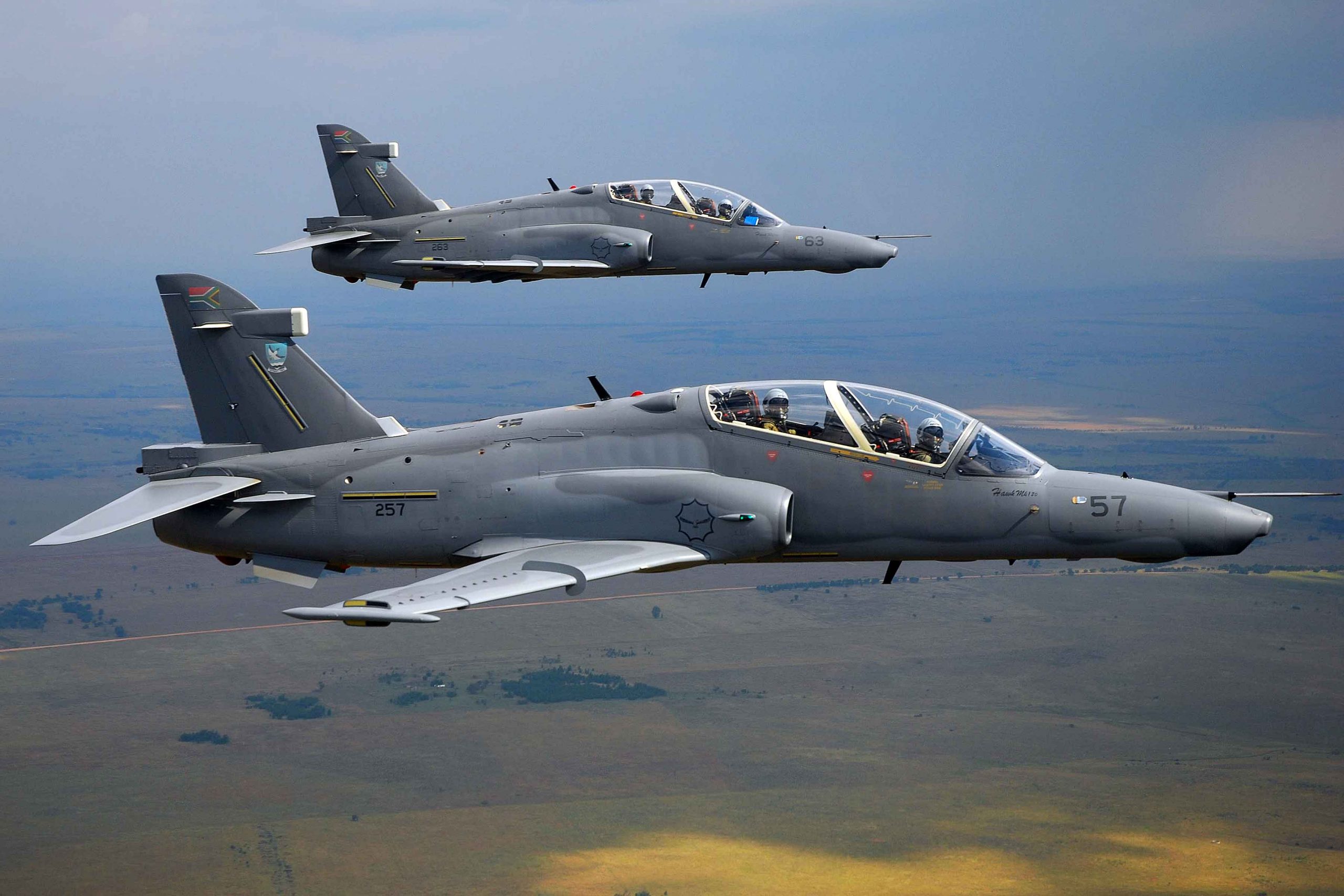
The above image is for illustrative purposes only.
Germany and Austria have finalized a reciprocal air security agreement, completing a trio of similar arrangements among the three German-speaking Alpine nations.
The new legislation permits both countries to track and respond to “non-military” airspace infringements or unidentified threats that cross their shared border without first obtaining clearance from the other government. This provision covers both crewed and uncrewed aircraft suspected of unlawful activity or unauthorized entry into either nation’s airspace.
The agreement also establishes routine sharing of daily aerial surveillance data between Berlin and Vienna.
Germany’s lower house of parliament, the Bundestag, approved the treaty in Berlin on February 26. Talks on the accord began in 2018, but progress was delayed by the COVID-19 pandemic, shifting political priorities, and leadership changes.
Austria’s parliament, the Nationalrat, had already endorsed the text in 2024, following its signing by German and Austrian representatives in the border town of Berchtesgaden two years earlier.
Under the terms of the treaty, the use of weapons and most forms of force or coercion within the partner country’s airspace are expressly forbidden.
The framework closely follows earlier agreements between Germany and Switzerland in 2007 and between Austria and Switzerland in 2017.
With this latest accord, the so-called “Alpine triangle” is now complete, reducing the risk that unidentified aircraft could pass through complex border areas without coordinated oversight.
Austria and Switzerland, both traditionally militarily neutral, face constitutional and political constraints on entering formal military alliances. This context likely explains why the treaty focuses specifically on non-military threats. Unlike Germany, neither country is a member of NATO.
Nevertheless, both joined the Berlin-led European Sky Shield Initiative, publicly confirming their participation during a joint event in 2023.
The German-Austrian air security pact is expected to take effect three months after both sides formally notify each other of ratification, which is anticipated around May or June.