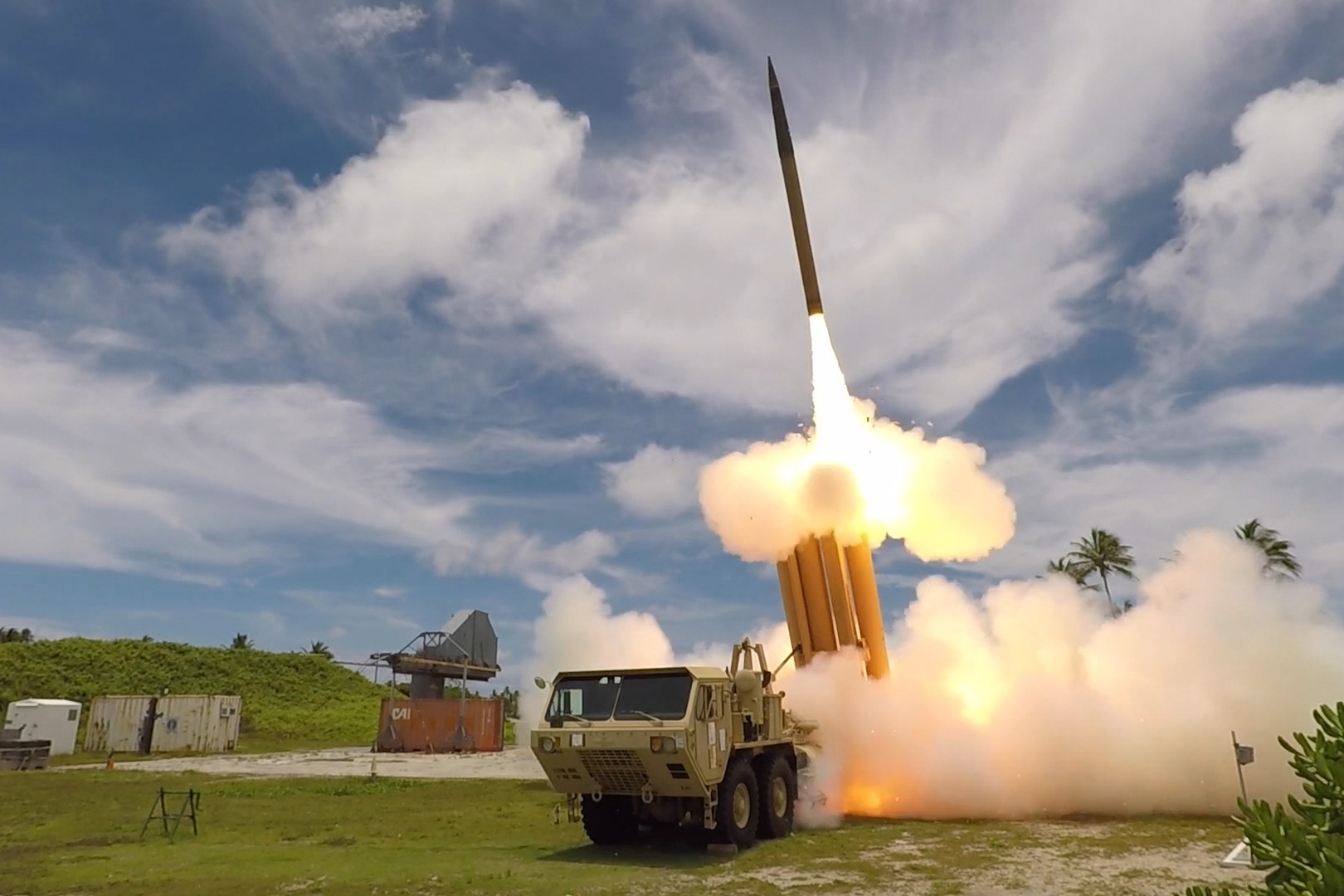
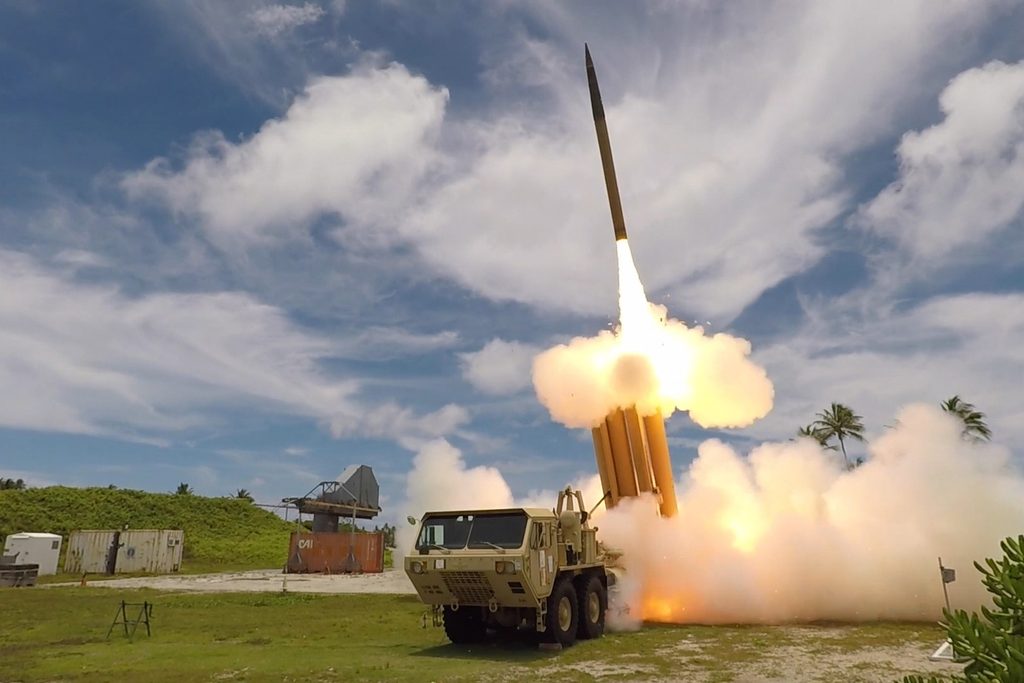
The U.S. Department of Defense has granted New Mexico-based rocket company X-Bow Systems a contract valued at nearly $11 million to advance the development of a lower-cost interceptor designed to counter ballistic missiles. The effort targets a per-shot price below $750,000—about one-fifth the cost of a high-end Patriot interceptor.
The contract follows a solicitation released roughly a year ago by the Missile Defense Agency (MDA) through its Rapid Response Small Launcher Technology program. The initiative sought industry proposals capable of quickly demonstrating modular, inexpensive interceptor systems designed to address ballistic and hypersonic missile threats.
The U.S. solid rocket motor industry for such weapons has traditionally been dominated by two major suppliers: Northrop Grumman and L3Harris subsidiary Aerojet Rocketdyne. Production of Patriot interceptors, meanwhile, is handled by Lockheed Martin and Raytheon. Japan is the only foreign nation that has received authorization to manufacture Patriot missiles under license.
The Pentagon said the contract is intended to strengthen the solid rocket motor (SRM) industrial base, which currently depends heavily on the two dominant manufacturers.
The need for additional production capacity has become more pressing following the conflict with Iran, which reportedly left the United States with fewer than 1,000 Patriot interceptors and approximately 250 THAAD missiles. A replacement Patriot interceptor costs around $3.9 million and can take years to manufacture, with production concentrated among a small number of licensed suppliers.
X-Bow founder and CEO Jason Hundley said the existing industrial base is not capable of matching the scale and speed required by modern threats. He argued that the company’s manufacturing approach could help deliver lower-cost interceptors and rocket motors more rapidly to U.S. forces.
The company manufactures both solid rocket motors and their propellant internally. Funding from the latest phase of the MDA’s Low-Cost Interceptor program will support additional propulsion development and the company’s first flight demonstration.
MDA officials have indicated that the cost-cutting effort will extend beyond propulsion. Speaking at the Space and Missile Defense Symposium in Huntsville, Alabama, earlier this month, MDA’s Collins said officials were examining propulsion as well as other costly interceptor components to identify ways of reducing the overall price of the weapon.
The United States is not the only country looking for ways to overcome the growing shortage of missile interceptors.
In 2025, the U.S. Air Force sought proposals for a counter-air missile costing less than $500,000 per unit, with the intention of eventually producing thousands of the weapons each year.
U.S. allies are pursuing similar approaches. Many countries still rely on limited Patriot inventories to defend their population centers, prompting efforts to develop missile-defense systems that can be produced at substantially lower costs.
Ukraine and several European partners announced multiple initiatives over the summer aimed at creating more affordable ballistic-missile defenses. Among them is the nine-country Freyja program, which is targeting an interceptor costing approximately $700,000 per round. Ukrainian strike-drone manufacturer Fire Point says the system could be ready for battlefield use next year.
Lockheed Martin has also introduced the PAC-3 ACE, which the company says is designed to be produced more quickly and at less than half the cost of the PAC-3 MSE interceptor.
At the same time, Lockheed Martin and Raytheon have provided limited information about whether Kyiv will receive the licenses needed to manufacture Patriot missiles domestically. President Donald Trump pledged in July to authorize such licensing, reversing a policy under which the technology had been withheld for years.
However, none of these emerging lower-cost alternatives—whether developed in the United States or through Ukrainian-European cooperation—is expected to be available before 2027.
X-Bow’s current contract also does not mean that an operational interceptor is imminent. Under the agreement, the company is required to deliver a prototype for a DoD flight demonstration by the end of 2027. That milestone would demonstrate the technology in flight but would not constitute a combat-ready missile.
According to the companies involved, the Ukrainian alternatives that are furthest along are likewise not expected to enter battlefield service until at least the middle of 2027.