German Defence Minister Boris Pistorius said lawmakers had expressed broad support for his ministry’s record 2027 defence spending proposal following a Bundestag defence committee hearing on Wednesday. At the same time, he rejected criticism that Germany’s procurement plans place too much emphasis on established military equipment instead of emerging technologies.
The government is seeking parliamentary approval for almost €140 billion ($160 billion) in defence spending for 2027. The package includes €109.7 billion in the regular defence ministry budget, representing an increase of about 32.7% from 2026, alongside approximately €30 billion from the special Bundeswehr fund, known as the Sondervermögen Bundeswehr. The off-budget fund was established in 2022 following Russia’s invasion of Ukraine.
Wednesday’s committee hearing formed part of the parliamentary review process ahead of the final vote on the federal budget. According to the current timetable, the Bundestag is expected to hold its third reading on November 27, after the budget committee completes its reconciliation process on November 12.
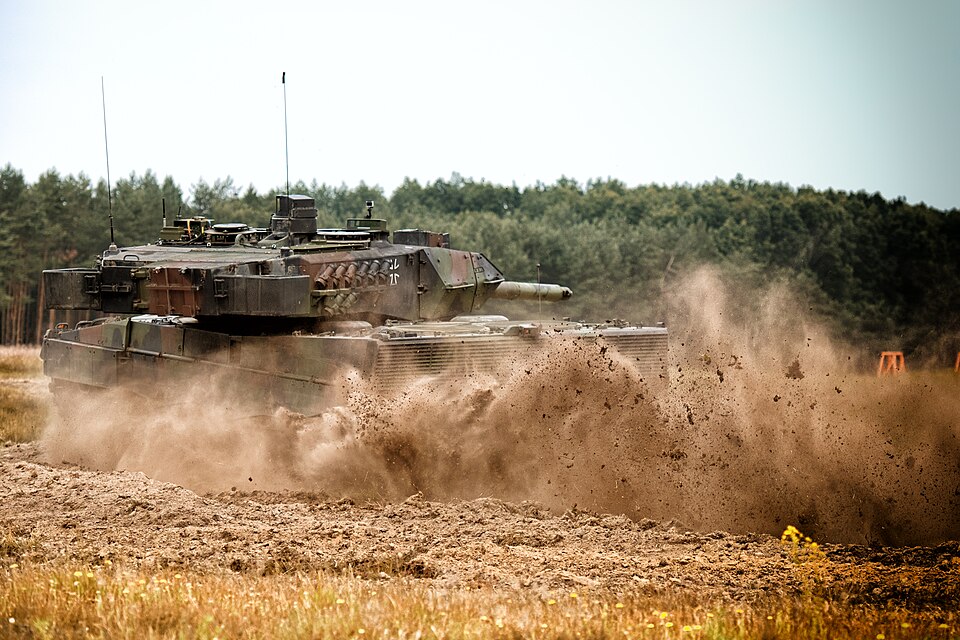
Following the closed session, Pistorius disputed claims from some politicians and commentators that Germany’s procurement strategy is overly focused on older military platforms. He cited the Leopard 2A8 tank as an example of advanced military technology rather than outdated equipment.
Pistorius also announced plans for a new dedicated funding program aimed at civilian universities and research institutions developing technologies with potential defence applications. Areas expected to benefit include artificial intelligence and unmanned systems.
The future of the Franco-German Main Ground Combat System (MGCS) is also under review. Pistorius acknowledged that the project may no longer proceed according to its original concept. Germany and France had announced a day earlier that they intended to move away from a narrowly defined main battle tank project toward the development of “platform-independent technology.”
Pistorius said the two countries would need to reach an agreement in the coming weeks on a restructured approach. He pointed to significant changes in the security environment since the project was initially conceived. The Franco-German next-generation armoured vehicle initiative dates back to 2012.
The proposed defence budget continues to face opposition from several parties. The AfD, Greens and Die Linke have criticised the spending plans on different grounds, including concerns over fiscal discipline and transparency. However, the governing coalition has sufficient parliamentary support to advance the budget.
Germany’s 2027 defence allocation would represent another substantial increase in military spending. The Bundestag has described the planned €139.6 billion total as the highest level since the end of the Cold War, with €109.7 billion coming through the regular defence budget and another €29.9 billion from the Bundeswehr special fund.