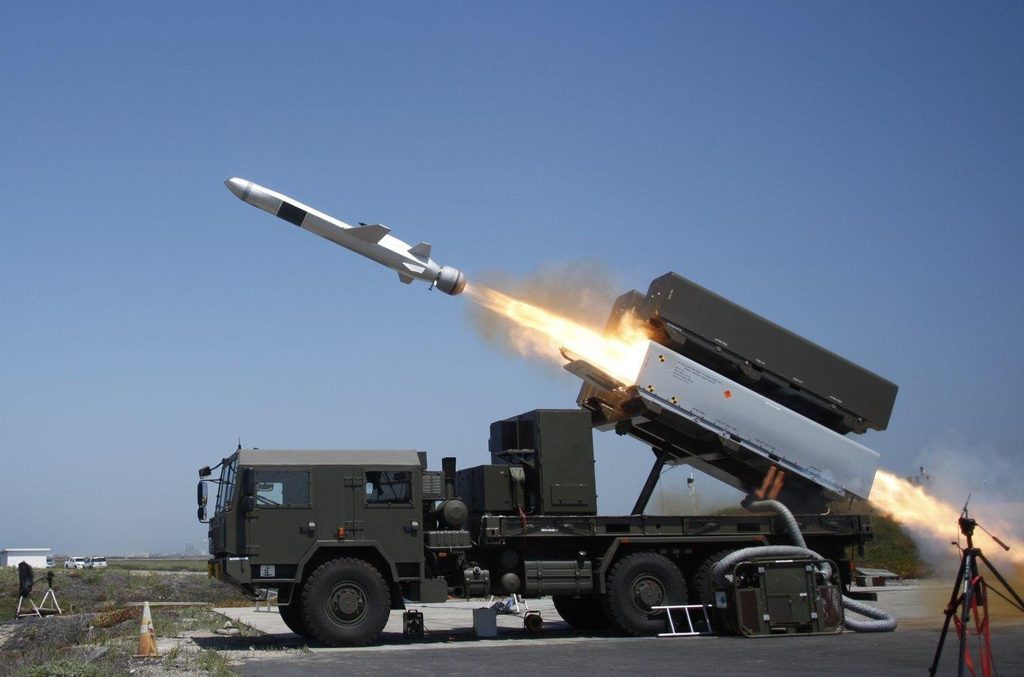
Spanish defense company Indra has unveiled a new cruise missile designed around affordability, with the company targeting a price roughly one-tenth that of some of the most advanced cruise missiles currently available. The lower cost is intended to make it practical for operators to launch large numbers of missiles simultaneously against defended targets.
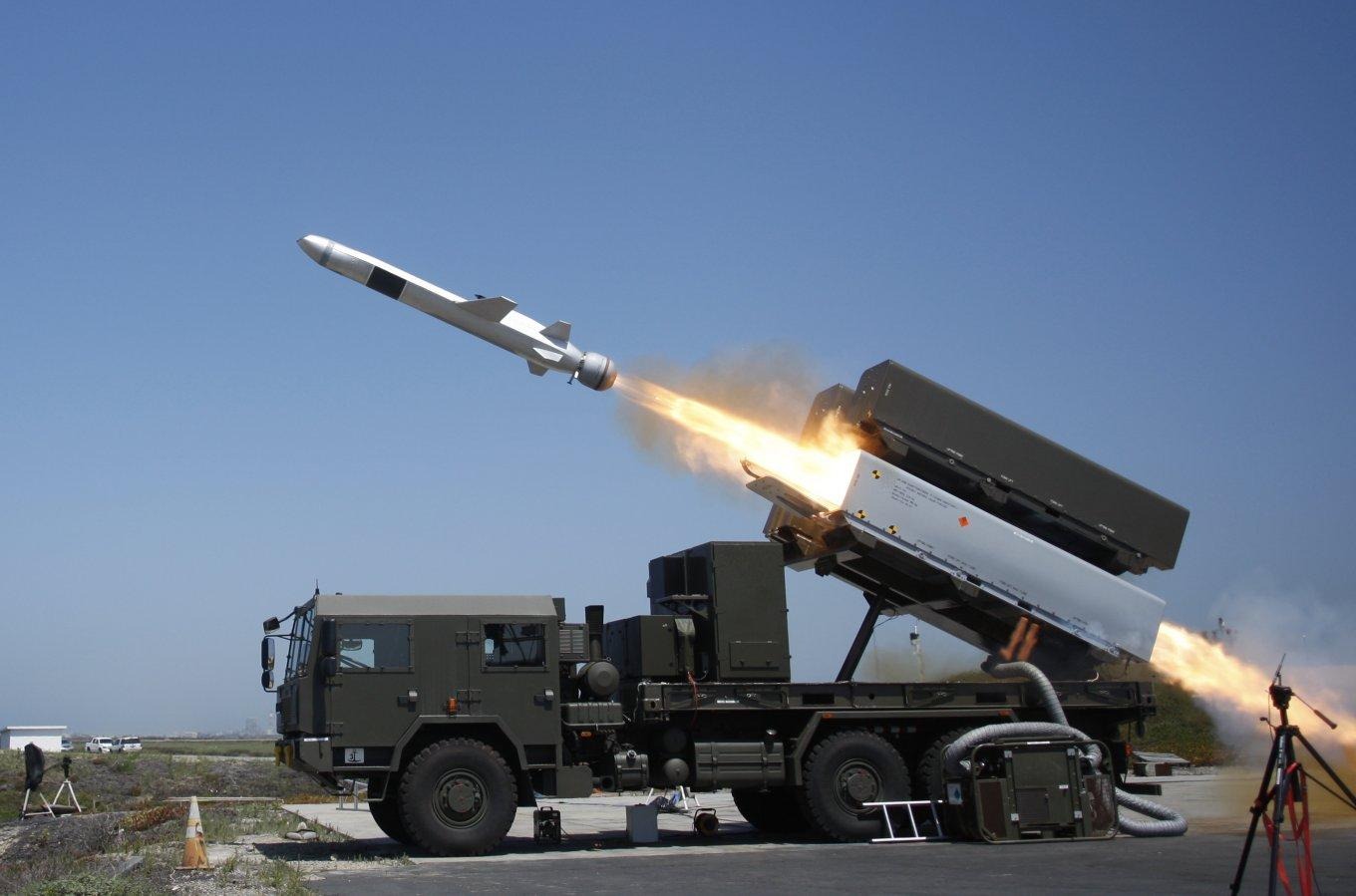
Named Squall, the missile will carry a warhead weighing between 50 and 60 kilograms and is designed to travel more than 300 kilometers at low altitude. It can be deployed from both land and naval platforms, with launch options including ramps, containers and tactical vehicles.
The Squall weighs approximately 150 kilograms and has a length of 3.4 meters. An Indra representative told Defense News that the missile is expected to reach a maximum speed of around Mach 0.8.
Juan Mahon, Business Development Director of Indra’s Weapons and Ammunition Division, said recent conflicts have highlighted the financial imbalance that can arise when sophisticated and expensive weapons are used against relatively inexpensive targets.
According to Mahon, employing missiles costing €2 million to €3 million each makes it difficult to conduct large-scale salvos intended to overwhelm an adversary’s air defenses.
He explained that some missions do not necessarily require the full capabilities offered by high-end missiles. Instead, forces could use a larger number of less expensive weapons to saturate defenses before employing a smaller number of more sophisticated missiles against the target.
Indra is therefore aiming to make the Squall affordable enough that customers could potentially acquire about ten missiles for the cost of a single premium missile.
The company identifies command-and-control facilities, air-defense installations and other strategically important military infrastructure among the missile’s potential targets.
Squall will incorporate multiple guidance and navigation technologies intended to help it remain effective in environments where an adversary is attempting to interfere with navigation or communications through jamming and spoofing.
Indra also says the missile will rely on a completely Spanish industrial supply chain. The company intends to use components whose production and control remain within Spain, which it says would provide greater control over manufacturing and make it easier to increase output during a crisis.
Keeping the supply chain within Spain could also reduce exposure to international disruptions or shortages of critical materials.
Mahon further emphasized that the Squall will be “ITAR-free,” meaning its design and supply chain are intended to avoid restrictions imposed under the U.S. International Traffic in Arms Regulations.